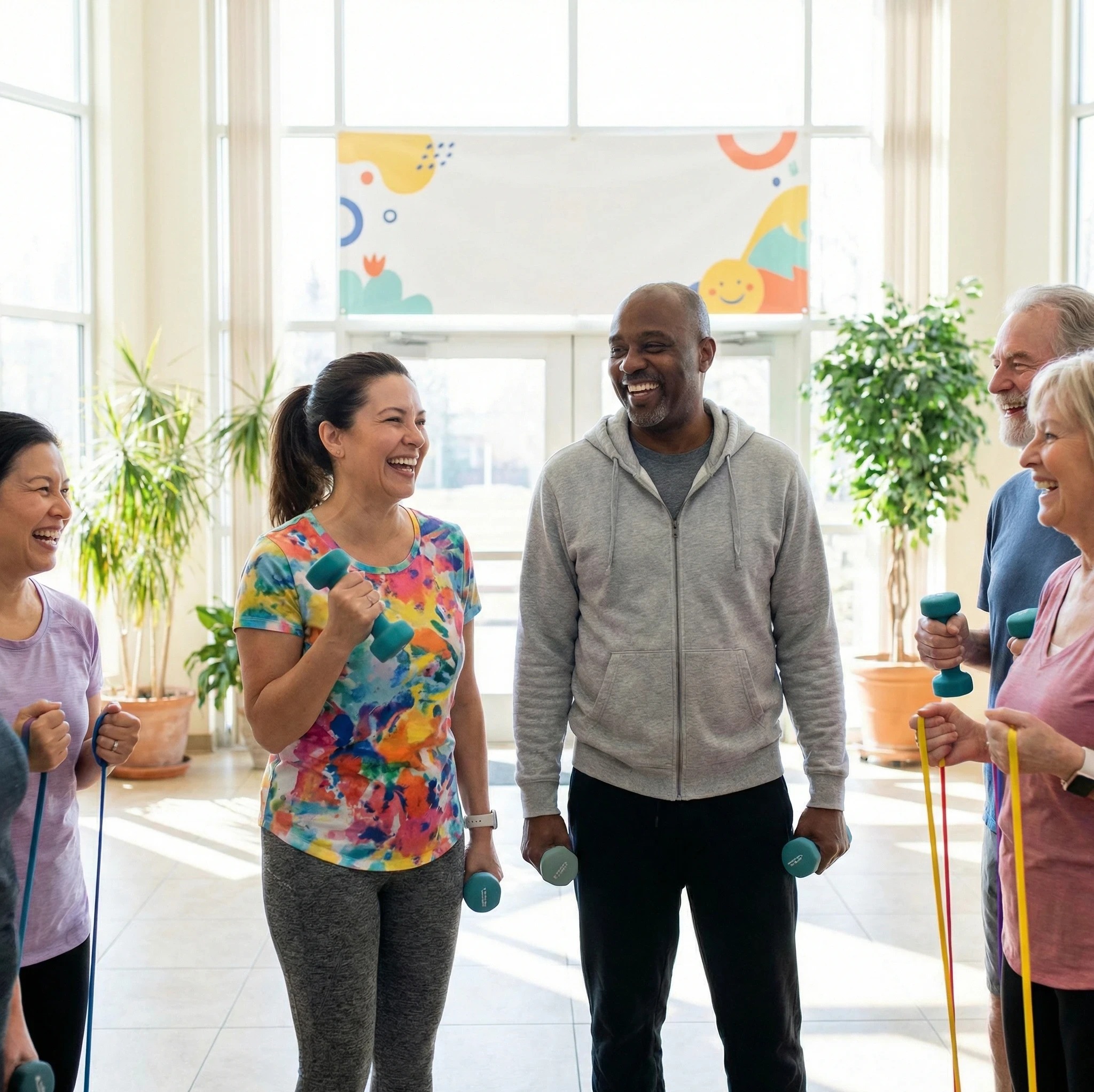
Strength training isn’t just about lifting weights. It’s a whole world that opens up once you get a handle on the basics. The main goal here is to build muscle strength, increase endurance, and improve overall fitness. Besides the physical benefits, like better posture and stronger bones, there’s a mental edge too. Many find it helps sharpen focus and reduce stress.
When kicking off, it’s key to know what type of strength training suits you. Bodyweight exercises like push-ups and squats are excellent for beginners and can be done just about anywhere. Free weights, such as dumbbells and barbells, offer more variety and challenge as you progress. Machines, commonly found in gyms, help with targeting specific muscle groups.
Getting the right gear can make a big difference. If you’re setting up at home, a quality set of dumbbells, a yoga mat, and resistance bands could be your best friends. Not planning to spend much? No problem. Many bodyweight exercises need zero equipment.
Crafting a starting routine doesn’t have to be complicated. Mix up exercises that hit all major muscle groups. Beginners usually benefit from a schedule of two to three workouts a week for thirty to forty-five minutes each session. This gives your muscles the time they need to rest and recover.
Research consistently highlights a handful of pieces of advice for newbies. Warm up before you start lifting and cool down properly to enhance flexibility and prevent injuries. Keeping track of your progress—not just physically but also how you feel mentally after each session—can be a big motivator. Staying consistent yet adaptable to how your body responds will ensure long-term success.
What Health Research Says About Beginner Strength Training
Modern research consistently shows that strength training is one of the most powerful lifestyle interventions for long‑term health:
• Reduces risk of major diseases, including cardiovascular disease, cancer, diabetes, and early mortality.
• Supports longevity — as little as 90 minutes of weekly strength training is linked to longer telomeres and up to four extra years of life.
• Improves metabolic health, mood, cognition, and energy, making it a holistic wellness tool for beginners.
• Just 30–60 minutes per week can reduce all‑cause mortality by 10–20%. Benefits plateau after one hour.
• Safe for beginners when training loads match current capacity—overuse injuries and burnout occur when novices start too aggressively.
Key Strategies for Newcomers to Maximise Progress Safely and Effectively
Getting the technique right is not just for the pros. Proper form is the foundation of effective strength training. When you do exercises correctly, you target the intended muscles and reduce the risk of injury. Watching tutorial videos or asking a trainer for guidance can help you master the basics. Remember, quality over quantity is the way to go.
Steady progress is the secret sauce in strength training. This is where the principle of progressive overload comes in. By gradually increasing the weight, reps, or intensity, your body continues to adapt and get stronger. It doesn’t mean you add more each day; listen to your body and make small, consistent increases.
Don’t underestimate the power of rest. Rest days are essential. They allow your muscles to recover and grow. Overtraining can lead to burnout or even injuries, so pencil in those rest days along with workout days in your schedule.
Your diet plays a huge role in how successful you’ll be. Fuel your body with balanced nutrition. Protein is vital for muscle repair, and carbs give you the energy for those gruelling workouts. Keeping hydrated is equally crucial.
Product Recommendations for Beginners
These items are ideal for your wellness, affordable, safe, and perfect for home training.
Why These Products Work for Beginners
- Light dumbbells (1–5 kg)
Perfect for learning form, building foundational strength, and supporting low‑impact routines. Great for women and older adults, starting slowly.
-
- Portable resistance trainer / multifunctional home gym
- Offers adjustable resistance (2–20 kg), safe rebound design, and full‑body training without heavy equipment. Ideal for small spaces.
- Hand grip strengthener
Supports grip development, which is essential for lifting safely and progressing to heavier loads. Also great for desk workers.
- Full‑body resistance training kit
- Versatile, slip‑proof, and beginner‑friendly—excellent for readers who want a low‑impact, joint‑friendly start.
Beginner‑Friendly Strength Training Guidance
✔️ What Research Recommends for Beginners
• Start with 2 sessions per week, targeting all major muscle groups.
• Use light to moderate resistance to learn form before increasing load.
• Prioritise movement patterns: squats, hip hinges, pushes, pulls, and core stability.
• Warm up and cool down to reduce injury risk.
• Progress gradually — strength training is a skill, not a test.
Everyone makes mistakes at the start. It’s a learning curve, so don’t be too hard on yourself. Common pitfalls include doing too much too soon or neglecting form for the sake of lifting more weight. Keep your pace steady and your form correct to get the best results. By focusing on technique, progression, and rest, you’re setting yourself up for success.
We strongly recommend that you consult with a qualified healthcare professional before making any decisions related to your health, diet, or well-being practices.
Your health and safety always come first.