Introduction: Clot-busters
Blood clots, also known as thrombi, are critical components of the body’s natural defence mechanism against bleeding. They form in response to injury or damage to blood vessels and play a crucial role in preventing excessive blood loss. However, when blood clots occur inappropriately or fail to dissolve properly, they can lead to serious medical complications, including stroke, heart attack, and pulmonary embolism. Understanding the mechanisms behind blood clot formation, risk factors, prevention strategies, and treatment options is essential for maintaining optimal health and preventing life-threatening conditions.
1.)
Physiology of Blood Clot Formation:
- Blood clot formation, known as hemostasis, involves a complex cascade of events that occur in response to vascular injury. The process consists of three primary stages: vascular spasm, platelet plug formation, and coagulation.
- Vascular Spasm: Upon injury to a blood vessel, the vessel constricts, reducing blood flow to the affected area. This immediate response helps minimize blood loss and prepares the vessel for repair.
- Platelet Plug Formation: Platelets, tiny cell fragments circulating in the blood, play a pivotal role in hemostasis. When blood vessel injury occurs, platelets adhere to the damaged site and release chemical signals that attract more platelets. This accumulation forms a temporary plug that seals the breach in the vessel wall.
- Coagulation: The coagulation cascade is a series of enzymatic reactions that culminate in the conversion of soluble fibrinogen into insoluble fibrin strands. Fibrin strands interweave with the platelet plug, forming a stable blood clot that reinforces vessel repair and prevents further bleeding.
2.)
Risk Factors for Blood Clot Formation:
- While blood clot formation is a vital protective mechanism, certain factors can increase the risk of inappropriate clotting. These risk factors include:
- Sedentary lifestyle: Prolonged periods of inactivity can impair blood flow and promote clot formation.
- Obesity: Excess body weight is associated with increased inflammation and clotting factors.
- Smoking: Tobacco use damages blood vessels and promotes clot formation.
- Certain medical conditions: Conditions such as atrial fibrillation, cancer, and autoimmune disorders can predispose individuals to blood clots.
- Surgery or trauma: Surgical procedures and traumatic injuries can disrupt normal blood flow and trigger clot formation.
3.)
Complications of Blood Clots:
- When blood clots form inappropriately or fail to dissolve properly, they can lead to serious medical complications, including:
- Stroke: Blood clots that obstruct blood flow to the brain can cause a stroke, resulting in neurological deficits or even death.
- Heart attack: Clots that block blood flow to the heart muscle can cause a heart attack, leading to tissue damage and impaired cardiac function.
- Pulmonary embolism: Clots that travel to the lungs can block blood flow, causing pulmonary embolism, a life-threatening condition characterized by difficulty breathing and chest pain.
- Deep vein thrombosis (DVT): Clots that form in the deep veins of the legs or pelvis can lead to DVT, which may cause pain, swelling, and potentially fatal complications if the clot dislodges and travels to the lungs.
4.)
Prevention and Treatment:
- Preventing blood clots involves addressing modifiable risk factors, such as maintaining a healthy weight, staying physically active, quitting smoking, and managing underlying medical conditions. Additionally, healthcare providers may prescribe medications, such as anticoagulants or antiplatelet agents, to reduce the risk of clot formation.
Treatment for existing blood clots typically involves anticoagulant therapy to prevent further clot growth and promote clot dissolution. In some cases, procedures such as thrombectomy or placement of a vena cava filter may be necessary to remove or prevent the migration of large clots.
Blood clots are essential for preventing excessive bleeding and promoting wound healing, but when they occur inappropriately, they can lead to severe medical complications. Understanding the mechanisms behind blood clot formation, identifying risk factors, and implementing preventive measures are crucial steps in maintaining vascular health and reducing the risk of clot-related disorders.
Here we provide a professional evaluation on the causes of blood clots, how can individuals prevent them?
The formation of blood clots, medically termed thrombosis, is a multifactorial process influenced by various genetic, environmental, and lifestyle factors. Understanding the underlying causes of blood clots is essential for effective prevention strategies. Here is a professional evaluation of the causes of blood clots and recommendations for prevention:
- Hypercoagulability: Some individuals have an increased tendency to develop blood clots due to inherited or acquired conditions that promote excessive blood coagulation. Examples include genetic mutations such as Factor V Leiden or prothrombin gene mutation, as well as acquired disorders like antiphospholipid syndrome or certain cancers. Professional evaluation involving genetic testing and medical history assessment can help identify individuals at higher risk for hypercoagulability.
- Endothelial Injury: Damage to the inner lining of blood vessels, known as the endothelium, can trigger the formation of blood clots. Endothelial injury may result from factors such as smoking, hypertension, hyperlipidemia, diabetes, or inflammatory conditions. Strategies to prevent endothelial injury include lifestyle modifications (e.g., smoking cessation, healthy diet, exercise) and management of underlying medical conditions (e.g., blood pressure control, glycemic control).
- Stasis of Blood Flow: Reduced blood flow or stagnation within blood vessels increases the risk of blood clot formation. Conditions that predispose individuals to stasis include prolonged immobility (e.g., bed rest, long flights), obesity, pregnancy, or congestive heart failure. Preventive measures focus on maintaining adequate blood flow through regular physical activity, avoiding prolonged periods of immobility, and managing underlying conditions contributing to stasis.
- Inflammatory Conditions: Chronic inflammation within the body can disrupt normal hemostasis and promote blood clot formation. Inflammatory diseases such as rheumatoid arthritis, systemic lupus erythematosus, or inflammatory bowel disease are associated with an increased risk of thrombosis. Treatment of underlying inflammatory conditions and lifestyle modifications to reduce inflammation (e.g., healthy diet, stress management) are important for prevention.
- Medications and Hormonal Factors: Certain medications, particularly hormonal therapies such as oral contraceptives or hormone replacement therapy, can increase the risk of blood clots. Additionally, hormone-related factors such as pregnancy and the postpartum period pose a heightened risk. Individuals taking medications associated with clotting risk should be monitored closely, and alternative options may be considered when appropriate.
Prevention Strategies:
- Lifestyle Modifications: Adopting a healthy lifestyle that includes regular exercise, maintaining a balanced diet rich in fruits, vegetables, and whole grains, achieving and maintaining a healthy weight, and avoiding tobacco use can help reduce the risk of blood clots.
- Medical Management: Individuals with underlying medical conditions predisposing them to blood clots should work closely with healthcare professionals to manage these conditions effectively. This may involve medication management, regular monitoring, and lifestyle modifications.
- Awareness and Education: Awareness of personal risk factors for blood clots and recognizing symptoms suggestive of thrombosis (e.g., swelling, pain, redness in the affected limb for deep vein thrombosis) can prompt early intervention and reduce complications.
- Prophylaxis in High-Risk Situations: In situations associated with an increased risk of blood clots, such as surgery or prolonged immobility, preventive measures such as anticoagulant medications or mechanical interventions (e.g., compression stockings, intermittent pneumatic compression devices) may be recommended.
- Regular Medical Check-ups: Routine medical check-ups allow healthcare providers to assess individual risk factors for blood clots, monitor changes over time, and provide personalized recommendations for prevention.
In conclusion, blood clots can result from a combination of genetic predisposition, environmental factors, and lifestyle choices. Preventing blood clots involves a multifaceted approach that includes lifestyle modifications, medical management of underlying conditions, awareness, and proactive measures in high-risk situations. Collaboration between individuals and healthcare professionals is essential for effective prevention and management of blood clot-related complications.
Below is an interesting case study illustrating the cause and prevention of blood clots in an individual:
Case Study: John’s Journey to Preventing Blood Clots
Background:
John is a 55-year-old man with a history of hypertension and a family history of blood clotting disorders. He works as an office manager, leading a sedentary lifestyle with minimal physical activity. Despite his family history, John has never experienced any significant health issues related to blood clots.
Cause of Blood Clots:
During a routine check-up, John’s doctor identified several risk factors that predisposed him to blood clot formation:
- Sedentary Lifestyle: John’s lack of physical activity and prolonged periods of sitting put him at risk of reduced blood flow and stasis, increasing the likelihood of blood clot formation.
- Hypertension: High blood pressure contributes to endothelial damage and inflammation, further promoting blood clotting.
- Family History: John’s genetic predisposition to blood clotting disorders, combined with other risk factors, heightened his susceptibility to thrombosis.
Prevention Strategies Implemented:
After discussing his risk factors with his healthcare provider, John decided to take proactive steps to prevent blood clots:
- Lifestyle Modifications:
- Regular Exercise: John incorporated daily walks into his routine, aiming for at least 30 minutes of moderate-intensity exercise.
- Breaks from Prolonged Sitting: At work, John set reminders to take short breaks every hour to stretch and move around, reducing the risk of stasis.
- Healthy Diet: He adopted a balanced diet rich in fruits, vegetables, lean proteins, and omega-3 fatty acids to support cardiovascular health.
- Smoking Cessation: John quit smoking to reduce endothelial damage and inflammation.
- Medication Management:
- Blood Pressure Control: John diligently took his antihypertensive medications as prescribed to maintain optimal blood pressure levels.
- Aspirin Therapy: Based on his doctor’s recommendation, John started low-dose aspirin therapy as a preventive measure against blood clot formation.
- Awareness and Education:
- John educated himself about the signs and symptoms of blood clots, such as swelling, pain, or warmth in the legs, and remained vigilant for any warning signs.
- He discussed his family history of blood clots with his healthcare provider and understood the importance of regular monitoring and preventive measures.
Outcome:
With consistent adherence to his preventive strategies, John successfully reduced his risk of blood clot formation:
- Regular physical activity improved his circulation and reduced the likelihood of stasis.
- Healthy lifestyle choices and medication management helped control his blood pressure and minimize endothelial damage.
- By staying informed and proactive, John empowered himself to take charge of his vascular health and mitigate his inherited risk factors.
Conclusion:
John’s case demonstrates the importance of personalized risk assessment and proactive preventive measures in reducing the risk of blood clots. Through lifestyle modifications, medication management, and awareness, individuals like John can significantly lower their susceptibility to thrombosis and maintain optimal vascular health. Collaborative efforts between patients and healthcare providers are essential for effective prevention and management of blood clot-related complications.
Disclaimer: Consultation with a healthcare professional is recommended before making any significant dietary changes, especially for individuals suffering from blood clots or related conditions.
Here’s a 5-day natural remedies suggested dietary plans for individuals who are focused on preventing blood clots:
Day 1:
Breakfast:
Scrambled eggs with sautéed spinach, tomatoes, and mushrooms, served with whole grain toast.
- Snack:
Apple slices with almond butter.
- Lunch:
Tuna salad made with canned tuna, mixed greens, cucumber, cherry tomatoes, and olives. Dressing made with olive oil and balsamic vinegar.
- Dinner:
Baked salmon filet with dill and lemon, accompanied by roasted asparagus and quinoa.
- Dessert:
Frozen yogurt bark with mixed nuts and dried fruit.
- Drink:
- Hibiscus tea with a squeeze of lime.
Day 2:
Breakfast:
Overnight oats made with almond milk, chia seeds, sliced banana, and a sprinkle of cinnamon.
- Snack:
Rice cakes topped with avocado slices and cherry tomatoes.
- Lunch:
Vegetable and lentil curry served with brown rice.
- Dinner:
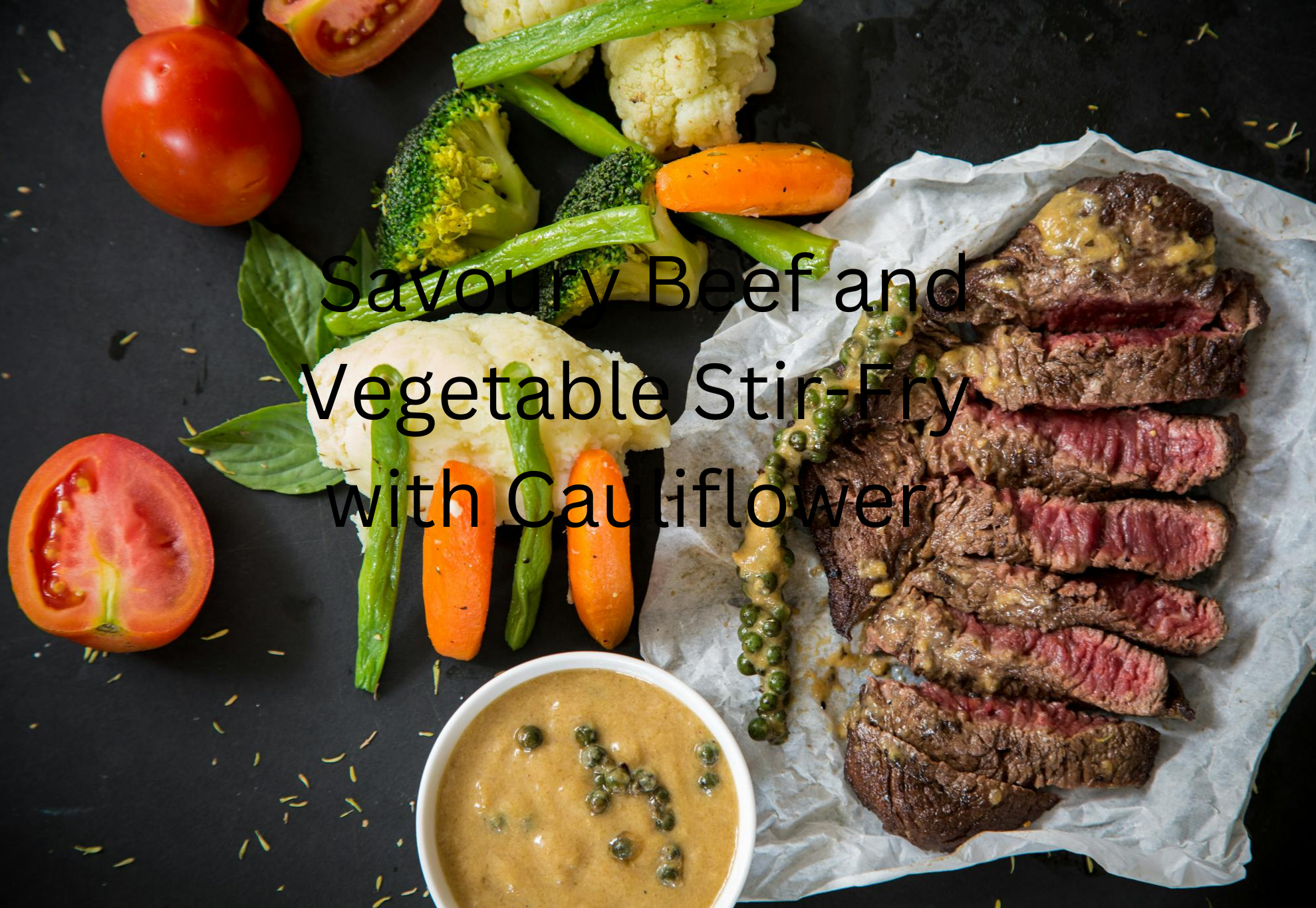
Beef and vegetable stir-fry with broccoli, bell peppers, carrots, and snap peas, served with cauliflower rice.
- Dessert:
Mango and coconut chia pudding.
- Drink:
- Matcha green tea latte with almond milk.
Day 3:
Breakfast:
Whole grain toast topped with mashed avocado, smoked salmon, and capers.
- Snack:
Trail mix with dried cranberries, almonds, and pumpkin seeds.
- Lunch:
Spinach and strawberry salad with feta cheese and toasted walnuts. Dressing made with balsamic vinegar and olive oil.
- Dinner:
Grilled chicken breast marinated in lemon and herbs, served with roasted sweet potatoes and steamed green beans.
- Dessert:
Banana “nice cream” made by blending frozen bananas with a splash of almond milk.
- Drink:
- Lemon water with a pinch of cayenne pepper.
Day 4:
Breakfast:
Vegetable and goat cheese frittata with a side of whole grain toast.
- Snack:
Cottage cheese with sliced pear.
- Lunch:
Quinoa and kale salad with roasted butternut squash, dried cranberries, and pumpkin seeds. Dressing made with apple cider vinegar and olive oil.
- Dinner:
Baked tilapia filets with a herb crust, accompanied by wild rice pilaf and steamed broccoli.
- Dessert:
Dark chocolate avocado mousse.
- Drink:
- Herbal infusion with ginger, lemon, and honey.
Day 5:
Breakfast:
Smoothie bowl made with blended acai, mixed berries, banana, and almond milk, topped with granola, sliced strawberries, and shredded coconut.
- Snack:
Greek yogurt with honey and sliced almonds.
- Lunch:
Grilled vegetable and hummus wrap with whole wheat tortilla, including grilled eggplant, zucchini, bell peppers, and onions.
- Dinner:
Turkey meatballs served with marinara sauce over whole wheat pasta, accompanied by a side salad.
- Dessert:
Baked pears with cinnamon and a dollop of Greek yogurt.
- Drink:
- Golden milk latte made with turmeric, coconut milk, and a pinch of black pepper.
The 5 day menu plan provided aligns with established medical guidelines for individuals with blood clots in several key ways:
- Emphasis on Whole Foods: The menu plan prioritizes whole foods such as fruits, vegetables, whole grains, lean proteins, and healthy fats. This aligns with medical recommendations to consume a balanced diet rich in nutrients to support overall health and wellness, including vascular health.
- Inclusion of Anti-inflammatory Ingredients: Many of the foods included in the menu plan are known for their anti-inflammatory properties, such as berries, leafy greens, fatty fish, nuts, seeds, and olive oil. Chronic inflammation is a contributing factor to cardiovascular disease, including blood clot formation. By incorporating anti-inflammatory ingredients, the menu plan supports reducing inflammation and promoting vascular health.
- Focus on Omega-3 Fatty Acids: Omega-3 fatty acids found in fatty fish like salmon, walnuts, and flaxseeds have been shown to have antithrombotic effects, meaning they help prevent blood clot formation. Including sources of omega-3 fatty acids in the menu plan aligns with medical recommendations to consume these heart-healthy fats for their potential benefits in reducing clotting risk.
- Limitation of Processed Foods and Added Sugars: The menu plan avoids processed foods and excessive added sugars, which are associated with increased inflammation, insulin resistance, and other metabolic disturbances that can contribute to cardiovascular disease and blood clot formation. This aligns with medical advice to limit intake of processed and sugary foods for overall health and wellness.
- Variety and Balance: The menu plan offers a variety of nutrient-dense foods, incorporating a balance of carbohydrates, proteins, and fats at each meal. This approach aligns with medical recommendations for a balanced diet that provides essential nutrients and supports overall metabolic health, including optimal blood clotting function.
While specific menu plans may vary based on individual preferences, dietary restrictions, and medical needs, the principles underlying this 5-day menu plan align with established medical guidelines for individuals with blood clots. However, it’s important to note that dietary recommendations should be tailored to each individual’s unique health status and should be implemented in consultation with a healthcare professional, especially for individuals with existing medical conditions such as blood clots.
Finding additional support, information, and resources for individuals with blood clot conditions or symptoms can be crucial for managing their health effectively. Here are some avenues where individuals can find support.
- Online Resources:
- National Blood Clot Alliance (NBCA): NBCA is a patient-led organization dedicated to raising awareness about blood clot risks, prevention, and treatment. Their website offers a wealth of educational materials, support resources, and community forums for individuals affected by blood clots. (Website: stoptheclot.org)
- Thrombosis UK: Thrombosis UK provides information, support, and advocacy for individuals affected by thrombosis and related conditions. Their website features educational resources, patient stories, and links to support groups and events. (Website: thrombosisuk.org)
- Health-related forums and social media groups: Online communities such as Reddit’s r/ClotSurvivors and Facebook groups like Blood Clot Recovery Network provide platforms for individuals to connect with others facing similar challenges, share experiences, and seek advice and support.
- Books:
- “The Anticoagulant Handbook: A Guide for Patients”: Written by Dr. Geoffrey D. Barnes, a leading expert in anticoagulation therapy, this comprehensive handbook offers practical guidance and information for patients on anticoagulant medications, managing blood clot risks, and navigating lifestyle adjustments. (Available on Amazon and other book retailers)
- “Clots: Why They Happen and What to Do About Them”: Authored by Dr. Thomas Ortel, a hematologist specializing in blood clotting disorders, this book provides a thorough overview of blood clot formation, risk factors, diagnosis, treatment options, and prevention strategies. (Available on Amazon and other book retailers)
- Centre Support:
- Hematology departments at academic medical centres: Many academic medical centres have specialized hematology departments that offer comprehensive care for individuals with blood clotting disorders. These centres typically provide diagnostic evaluations, treatment planning, and ongoing management tailored to each patient’s needs.
- Thrombosis clinics and centres: Some hospitals and healthcare facilities have dedicated thrombosis clinics or centres staffed by multidisciplinary teams of hematologists, vascular specialists, nurses, and other healthcare professionals. These clinics offer specialized care and support for individuals with thrombotic disorders, including education, counselling, and access to clinical trials.
It’s important for individuals with blood clot conditions or symptoms to seek guidance and support from reputable sources, collaborate closely with their healthcare providers, and engage with supportive communities to empower themselves and optimize their health outcomes.
Summary:
For individuals suffering from symptoms of blood clots, it’s essential to seek prompt medical attention and adhere to appropriate treatment plans. Here’s an overall summary to guide individuals affected by blood clot symptoms:
- Recognize Symptoms:
- Be aware of common symptoms of blood clots, which may vary depending on the location and severity of the clot. Symptoms can include swelling, pain, warmth, redness, or tenderness in the affected area (such as the leg for deep vein thrombosis or the chest for pulmonary embolism). Other signs may include shortness of breath, chest pain, coughing up blood, or sudden onset of weakness or numbness.
- Seek Medical Evaluation:
- If you experience symptoms suggestive of a blood clot, seek immediate medical attention. Contact your healthcare provider or go to the nearest emergency department for evaluation and diagnosis. Early detection and treatment are crucial for preventing complications and minimizing long-term effects.
- Follow Treatment Recommendations:
- Upon diagnosis of a blood clot, follow your healthcare provider’s treatment recommendations diligently. Treatment may include anticoagulant medications (such as warfarin, heparin, or direct oral anticoagulants) to prevent further clot formation and reduce the risk of complications. In some cases, procedures such as thrombolysis, thrombectomy, or placement of a vena cava filter may be necessary.
- Adopt Healthy Lifestyle Habits:
- Adopting a healthy lifestyle can complement medical treatment and support overall vascular health. Maintain a balanced diet rich in fruits, vegetables, whole grains, and lean proteins. Engage in regular physical activity to promote blood circulation and reduce the risk of stasis. Avoid tobacco use and excessive alcohol consumption, which can contribute to clotting risk.
- Monitor and Manage Risk Factors:
- Identify and address any underlying risk factors that may predispose you to blood clots, such as obesity, hypertension, diabetes, or a family history of clotting disorders. Work closely with your healthcare provider to manage these risk factors through lifestyle modifications, medication management, and regular monitoring.
- Stay Informed and Engaged:
- Stay informed about your condition, treatment options, and preventive measures by seeking reliable information from reputable sources such as healthcare providers, patient advocacy organizations, and medical literature. Engage in open communication with your healthcare team, ask questions, and actively participate in decision-making regarding your care.
- Seek Support and Resources:
- Connect with support groups, online communities, and advocacy organizations dedicated to blood clot awareness and education. These resources can provide valuable support, encouragement, and practical advice from individuals who have experienced similar challenges.
By taking proactive steps to recognize symptoms, seek timely medical care, follow treatment recommendations, adopt healthy lifestyle habits, manage risk factors, stay informed, and seek support, individuals suffering from symptoms of blood clots can empower themselves to manage their condition effectively and improve their quality of life.
Good Luck!
“Our Website contains affiliate links this means if you click and make a purchase we may receive a small commission. “Don’t worry there is no extra cost to you. It’s a simple way you can support our mission to bring you quality content.“