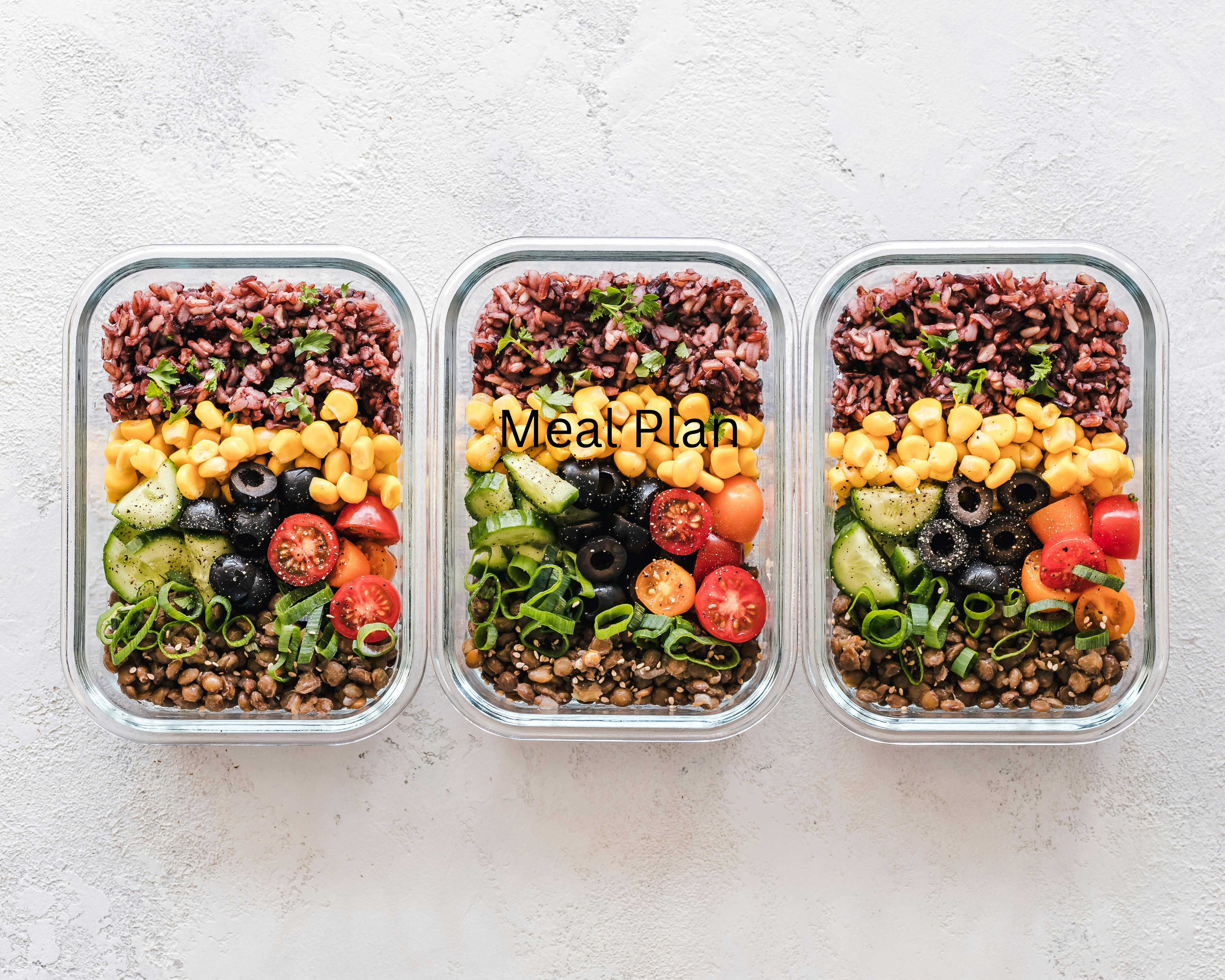
First however, it’s important to discuss the question :What is meal planning, and what is the importance for a healthy adaption of our demands?
Before we proceed we have to define what a healthy lifestyle is. A healthy lifestyle is simply health. It can be described as the wellbeing of our body free of any element of damage from our surroundings and external circumstances.
You’re going to find out about how organizing your meals for the week isn’t merely a time-saver; it’s a way to ensure you’re getting the necessary nutrients consistently. We’ll also dig into how meal planning can align seamlessly with achieving personal health goals, whether you’re looking to lose weight, gain muscle, or just maintain a healthy balance.
This introduction serves as the gateway to the treasure trove of advantages that strategic meal planning provides. And guess what? They are not limited to physical health but also include mental clarity, reduced stress, and financial savings.
In my opinion, embracing meal planning opens doors to a host of benefits that go beyond the dinner plate. It instills discipline into your eating habits and brings a structured approach to your dietary intake which can have lasting positive impacts on your life.
Now, as we move on, I’m here to help you with how to pack the most nutrition into your meal plans. We’ll look at the role of diversity in picking food items, ways to include superfoods in your daily routine, and much more. So let’s steer into the next section where I’ll break down maximizing your nutrition with strategic meal planning.
Maximizing Nutrition Through Strategic Meal Planning
I’m here to help you understand how meal planning can serve as a cornerstone for nourishing your body. It’s not just about following recipes; it’s about making informed choices to ensure you’re getting a varied and balanced diet. When you plan your meals, you’re taking control over the quality and the types of foods you consume, which is a vital step towards maximizing nutrition.
You’re going to find out about the importance of variety in meal planning. Different food groups offer distinct nutrients that your body needs to function optimally. Including a range of vegetables, fruits, lean proteins, whole grains, and healthy fats in your weekly plan is crucial. But how do you do this consistently? You debunk the myth that eating healthy is monotonous by discovering and trying new recipes and food combinations, which can be an adventure in itself.
Choose something that resonates with you when integrating superfoods into your diet. Superfoods are nutrition powerhouses that pack large doses of antioxidants, polyphenols, vitamins, and minerals. Adding foods like blueberries, salmon, kale, and quinoa to your meal plan can have a profound impact on your health. And the best part? These foods can be delicious, too! I’ll show you how to incorporate these into your meals without compromising on taste.
Remember, it’s not just about the individual meals, but also about how they fit together over the course of the week. Striking the right balance ensures you meet your daily nutritional requirements without getting bored or feeling restricted. Stay tuned for the next section where I’m going to provide you with a full 7-day meal plan that emphasizes health and palate pleasure, complete with preparation times to help streamline your busy week.
Your 7-Day Healthy Meal Prep Plan
Now that you’re familiar with how meal planning can enhance your nutritional intake, you’re going to find out about a manageable 7-day meal plan tailored to reinforce those health benefits. Keep in mind, this isn’t just about following a rigid diet; it’s also about cultivating a sustainable eating habit that resonates with your lifestyle.
Day 1 might kick off with overnight oats soaked in almond milk, chia seeds, and topped with fresh berries ? A blend that’s as nutritious as it is simple to prepare, taking just about 10 minutes the night before. Lunch could be a refreshing quinoa salad with cherry tomatoes, cucumbers, and a dash of olive oil, prepped in 20 minutes. Dinner could be a hearty vegetable stir-fry with tofu or chicken, which should take around 30 minutes to prepare.
For Day 2, how about starting with a smoothie packed with spinach, banana, and a scoop of protein powder? It’s a powerful 5-minute breakfast. A lunch of turkey and avocado wrap wouldn’t take more than 10 minutes to fix, while a 20-minute salmon with steamed broccoli could round off your day on a savoury note.
In my opinion, variety is the spice of meal planning. On Day 3, ponder a bowl of Greek yogurt with a drizzle of honey and a handful of nuts for breakfast. This 5-minute start sets the tone for a 15-minute lunch of lentil soup, followed by a 30-minute dinner featuring baked sweet potatoes topped with a lean protein like grilled chicken.
As Day 4 rolls in, choose something that’s both tasty and filling for breakfast, like a spinach and feta omelette, which takes around 10 minutes. A 15-minute chickpea salad can grace your lunchtime, and a 25-minute shrimp and veggie stir-fry can be your delightful end to the day’s meals.
Day 5 presents a quick 5-minute parfait made with layers of Greek yogurt, granola, and seasonal fruits. For lunch, have a blast with the flavours in a 10-minute tuna salad. Come dinner, a 30-minute roasted vegetable and quinoa bowl can be your nutrient powerhouse.
When Day 6 dawns, whip up a berry and banana breakfast quesadilla in 10 minutes. A 15-minute spinach and quinoa salad is a no-brainer for lunch, and a 25-minute dinner featuring stir-fried beef with bell peppers keeps things exciting yet balanced.
Lastly, on Day 7, how about a breakfast consisting of an avocado and egg toast, requiring just 10 minutes to prepare? Midday, you can look forward to a 15-minute Mediterranean chickpea salad, and for dinner, try a 30-minute one-pan lemon garlic chicken with vegetables.
Don’t worry too much about perfection in following these dishes to the letter. Feel free to swap in favourite ingredients or adjust cooking times as needed. It’s the structured approach and advance preparation that’ll set you up for success.
Efficiency in the Kitchen: Saving Time and Reducing Stress
In my opinion, the real magic of meal planning lies not just in the healthy eating part, but also in how it revolutionizes your time management and stress levels in the kitchen.
You’re going to find out about simple yet effective time-saving strategies. First, think about batch cooking. Preparing larger quantities of a dish can serve you multiple meals, cutting down on total cooking time. Then, there’s the power of multitasking. While roasting vegetables in the oven, you could be prepping salad for the next day.
This isn’t just about minutes and hours; it’s also about your well-being. Picture this: coming home after a long day to a meal that’s ready to go. You’re no longer scrambling to figure out dinner last minute. That sense of readiness significantly alleviates mealtime stress.
You can always adjust your approach down the road, but starting with a meal prep routine introduces you to a more organized grocery shopping experience. By knowing exactly what you need, you dodge those extra aisles and avoid impulse buys that often lead to wasted food and money.
Choose something that resonates with you, whether it’s a catchy podcast or your favourite music playlist, to make the prep time enjoyable and something to look forward to. Before you know it, you’ll have meals lined up and more breathing room in your evenings.
The Financial Upside of Early Meal Preparation
Now that you’ve learned how meal prep can transform your kitchen routine and reduce daily stress, let’s talk about the green side of things – your wallet. Meal planning is not just a time-saver; it’s a cost-effective strategy that can significantly impact your finances.
Preparing your meals in advance means you can buy ingredients in bulk, which often comes at a reduced cost. Instead of purchasing single-serving items or smaller packages that cost more per unit, you’re choosing economy size that stretches further for your dollar.
By sticking to your shopping list and avoiding impromptu purchases, you’re not only more likely to stay within your budget, but you also avoid food waste. Meal planning allows for smart kitchen management, where everything you buy has a purpose and place within your meal schedule.
What’s more, when you swap out the habit of dining out or grabbing take-out meals with your home-cooked repertoire, you’re looking at substantial savings. Eating at restaurants can quickly add up, especially if it’s a regular occurrence. With meal prep, the cost per meal can be significantly lower, allowing you to allocate those savings to other areas of your life.
Don’t forget the hidden health care savings, too. By eating healthier through meal planning, you may reduce the risk of diet-related health issues, which can save on medical bills and related expenses in the long run.
While it’s clear that meal planning brings savings from multiple angles, what resonates more is the sense of control it brings to your finances. It’s not just dollars and cents – it’s about making empowered choices that benefit your budget and well-being.
So, choose something that resonates with you: time savings, stress reduction, health benefits, or financial gains – meal planning has got it all. And the best part? You can always adjust your approach down the road to keep reaping the benefits. Dive into meal planning with confidence, knowing that your efforts in the kitchen will have a positive ripple effect on many aspects of your life.
“Our Website contains affiliate links this means if you click and make a purchase we may receive a small commission.“Don’t worry there is no extra cost to you. It’s a simple way you can support our mission to bring you quality content.“