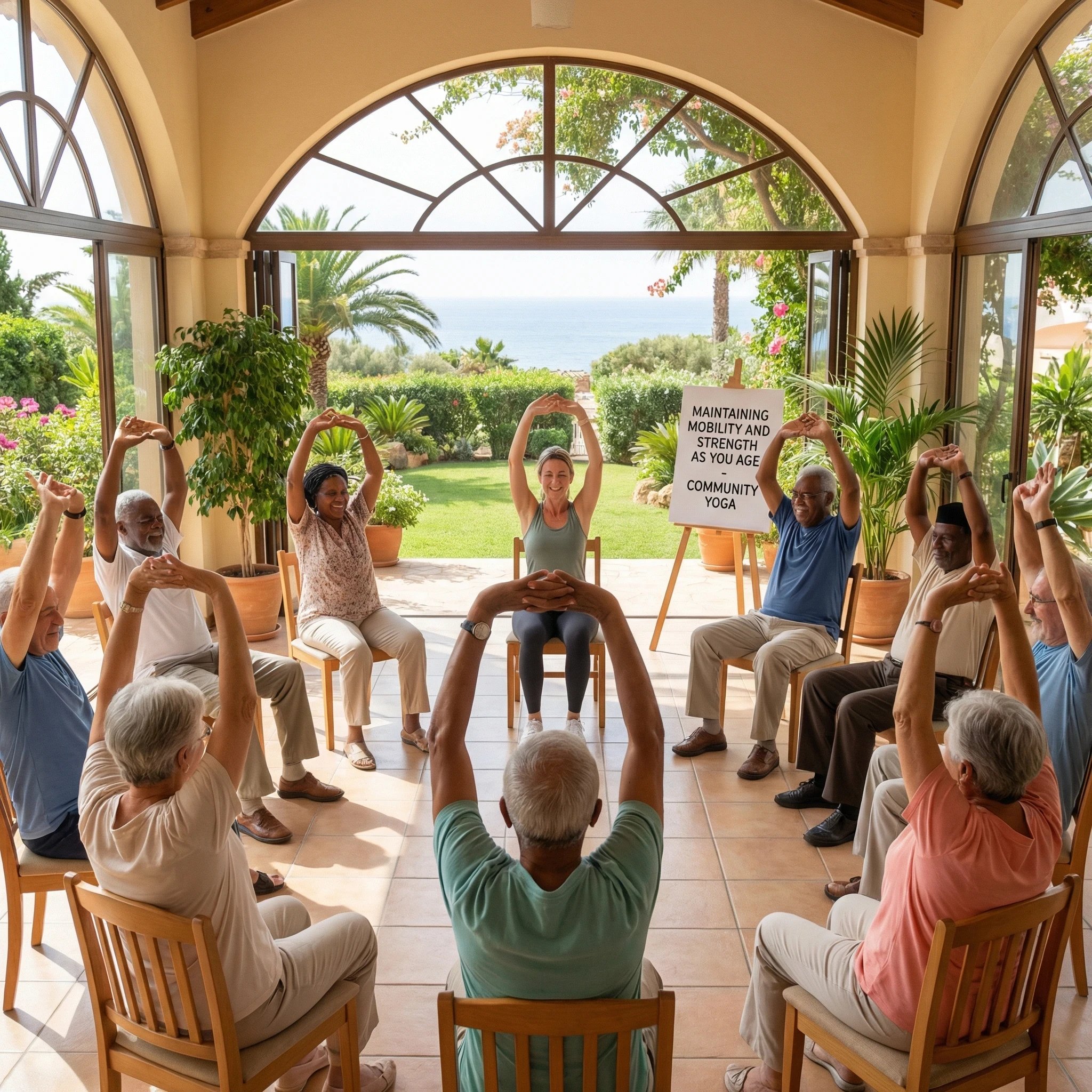
Staying active is vital for older adults, not just for physical health but for maintaining independence as well. As we age, maintaining mobility and strength becomes a cornerstone of living life on our terms. It allows us to perform daily activities with ease, from walking up stairs to playing with the grandchildren.
Strength training plays a critical role in preventing age-related issues such as osteoporosis and arthritis. It also helps improve balance and coordination, which are essential in reducing the risk of falls. Regular strength exercises can make the difference between leading a vibrant life and struggling with daily routines.
There’s a psychological boost that comes from staying active. Exercise releases endorphins, those lovely chemicals in our brain that make us feel happy and reduce stress. Keeping up with physical activities can lead to better mental health, reducing the risks of depression and anxiety, which can be common in later years.
Despite the advantages, many older adults hesitate to exercise due to myths and misconceptions. Some believe it’s too late to start working out or that they might get injured. However, beginning a safe, gradual exercise routine tailored to individual needs can be both rewarding and beneficial. Health professionals often recommend starting with low-impact activities and gradually increasing intensity under supervision if needed.
Practical Tips for Staying Strong and Mobile
A good set of exercises can be done anywhere. Bodyweight exercises like squats, leg lifts, and push-ups are perfect for building strength without needing a home gym. Even a simple walk around the neighbourhood can do wonders for mobility and cardiovascular health.
Getting moving can be part of daily routines, blending in seamlessly with everyday activities. Take the stairs instead of the elevator, or enjoy gardening, which can be surprisingly physical. It’s all about finding what fits your lifestyle and sticking with it.
What Research Says About Maintaining Mobility as You Age
1. Mobility Is Directly Linked to Independence
The National Institute on Ageing emphasises that mobility is critical for performing everyday tasks and maintaining independence as we age.
2. Structured Physical Activity Prevents Mobility Disability
A BMJ editorial reports strong evidence that structured exercise programs significantly improve functional mobility in older adults.
3. Flexibility & Mobility Are Core Pillars of Healthy Ageing
Research shows that flexibility and mobility influence how well we move — and how well we live — as we age. They help prevent stiffness, pain, and functional decline.
4. Limited Mobility Is One of the First Signs of Declining Fitness
A 2023 study in BMC Geriatrics identifies limited mobility as an early indicator of declining physical fitness in older adults.
5. Low‑Impact Exercise Improves Strength, Joint Health & Mental Well‑Being
Medical News Today notes that low‑impact exercises can build strength, cardiovascular fitness, and mental well‑being while being gentle on joints.
6. Exercise Reduces Fall Risk
A multidisciplinary review highlights that targeted exercise interventions — especially balance and strength training — reduce fall risk in older adults.
Nutrition plays a key role in supporting muscle health. A balanced diet rich in proteins, leafy greens, and healthy fats fuels the body for activity and aids recovery. Staying hydrated is just as important, as it ensures the muscles function properly and reduces the risk of cramps and injuries.
Balance training is crucial for maintaining stability and preventing falls. Simple practices such as standing on one foot while holding onto the back of a chair can build balance and reduce fall risks. Tai Chi and yoga are also excellent exercises that gently enhance flexibility and coordination.
Our Website contains affiliate links. This means if you click and make a purchase, we may receive a small commission. “Don’t worry, there is no extra cost to you. It’s a simple way you can support our mission to bring you quality content.
We strongly recommend that you consult with a qualified healthcare professional before making any decisions related to your health, diet, or well-being practices.
Your health and safety always come first.