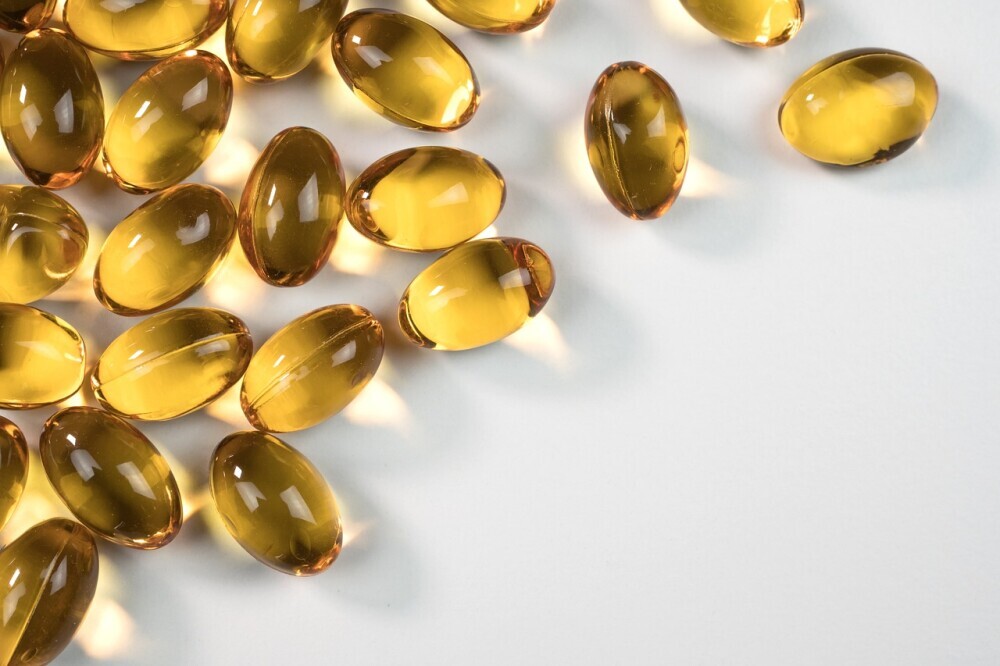
Supplements seem like a magic bullet, promising to fill all nutritional gaps with a pill or powder. But here’s the lowdown: they can’t replicate a balanced plate of whole foods. Whole foods offer a wide array of nutrients, and when you munch on them, you get a hit of fibre, essential vitamins, and minerals all in one go.
Think about nutrient bioavailability. It’s a fancy term for how well your body absorbs and uses the nutrients you take in. Whole foods often have an edge here because they naturally contain a bunch of helpful compounds that work together, something supplements often can’t pull off. For instance, the vitamin C in an orange comes paired with fibre and antioxidants, making it more potent than what you get in a capsule.
Going overboard with supplements without a proper diet can backfire. I’ve seen folks who rely only on pills and powders end up with deficiencies. It’s a bit like trying to bake a cake with only the icing; you’re missing out on the substance that really matters.
Real-world stories remind us that no amount of supplements can combat a junk food diet. Picture someone living on fast food and relying on vitamin pills to make up for it—spoiler alert, it doesn’t work. The risks of nutrient deficiencies and long-term health issues are real, and they can’t be ignored.
Whole foods bring something special to the table—literally. They offer a variety of nutrients along with satisfaction that supplements just can’t match. Nothing beats the full package you get from a well-rounded meal planning.
Enhancing Your Diet: What Supplements Can Help
Modern diets can sometimes leave us a bit short on certain nutrients. It’s often due to busy lifestyles and food choices that miss the mark on variety. That’s where the right supplements can step in to lend a hand and keep everything balanced.
Think about vitamins and minerals that seem to slip through the cracks in many diets. Vitamin D is a biggie, especially if you don’t get a lot of sun, while B12 is often lacking for those exploring plant-based diets. These supplements can help bridge the gap, ensuring you’re getting what your body needs.
Probiotics are a great addition if you’re aiming to boost digestive health. These friendly little bacteria work wonders in keeping your gut happy and functioning well. A little bit each day can make a world of difference in how you digest a vast array of foods.
Omega-3 fatty acids are another key player when it comes to maintaining a healthy heart. Found in fish oil and flaxseed supplements, they can help keep your ticker ticking smoothly, especially for those who aren’t regular seafood eaters.
Balancing these supplements with what you eat is crucial. They aren’t a replacement for a thoughtful diet but rather a teammate. You’re looking for teamwork here, where supplements fill in the gaps, not take over the whole game.
Before adding any new supplements to your diet, it’s wise to check in with healthcare providers. They can give you the scoop on what’s best for your personal health needs and suggest what’ll mesh with your current lifestyle and eating habits.

Choosing the Right Supplement Form: Liquid vs Tablet
When it comes to supplements, the form they take can make a difference in how effective they are for you. Liquid and tablet forms both have their own sets of perks and drawbacks, and picking the right one depends on your individual needs.
Tablets are convenient and usually more portable, making them a popular choice for those on the go. They generally have a longer shelf life, and they often come with a more precise dosage. However, they need to break down in your digestive system first before the nutrients are absorbed. For some, this process isn’t as efficient, leading to potential nutrient loss.
On the flip side, liquid supplements usually offer quicker absorption because they’re already in a dissolved state when they hit your stomach. They can be a fantastic option if you have difficulty swallowing pills or need an immediate boost of certain nutrients. But remember, they often have a shorter shelf life and might require refrigeration.
The bioavailability, or how much of the supplement your body can actually use, often tilts in favour of liquids for those who need fast results. But some people might find the taste unappealing or the process of measuring doses cumbersome.
It’s a good idea to discuss with healthcare providers which form might be more beneficial for you, based on what you’re aiming to achieve and any specific health conditions you’ve got. They can offer insights tailored to your personal health goals, helping you make an informed choice that truly supports your wellbeing.
“Our Website contains affiliate links this means if you click and make a purchase we may receive a small commission. “Don’t worry there is no extra cost to you. It’s a simple way you can support our mission to bring you quality content.”