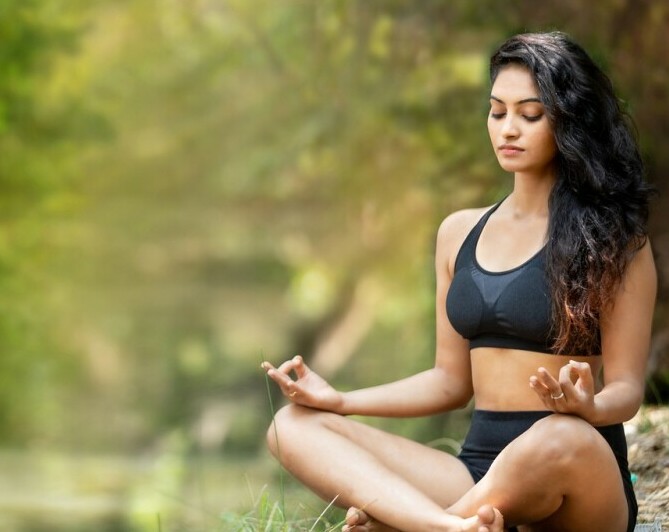
Stress is more than just a mental strain; it’s a full-body experience. Ever felt like you’re carrying the weight of the world on your shoulders? That’s stress in action. Your body reacts in a bunch of ways — increased heart rate, tightened muscles, and that tense feeling in your gut.
It kicks off with the release of stress hormones like cortisol. This ‘fight or flight’ response, while handy in short bursts, can wreak havoc if it sticks around too long. Chronically high cortisol levels can lead to issues like hypertension, weakened immune function, and even weight gain. Nobody wants that kind of baggage.
Modern life throws a ton of stressors our way — deadlines, financial woes, and the never-ending deluge of social media notifications. It’s like a never-ending treadmill that keeps speeding up. But, while we can’t always change these stressors, we can alter how we respond to them.
Unchecked stress doesn’t just stay in your head; it spills out into your body and your life. Chronic stress has been linked to everything from heart disease to anxiety disorders. It messes with your sleep, zaps your energy, and can even cause digestive issues. It’s a full-spectrum attack that begs for an effective intervention.
Why Yoga is an Effective Solution for Stress Relief
Yoga isn’t just about getting bendy or finding your zen. It’s a full-on mind-body workout that packs a punch when it comes to stress relief. There’s solid science behind this—yoga’s ability to mix physical movement with breathwork and mindfulness makes it a triple threat against stress.
Studies have shown that yoga can decrease the levels of cortisol, our notorious stress hormone. When you practice yoga, you’re engaging in a form of active relaxation. This means you’re calming your mind while also giving your body a good stretch, improving flexibility, and building strength. It’s like hitting the reset button for both your brain and your muscles.
Yoga does something amazing—it tackles stress holistically. While other methods might only focus on mental or physical aspects, yoga considers the whole package. It brings balance to the nervous system, improves emotional regulation, and even boosts your mood by increasing levels of feel-good neurotransmitters like serotonin.
Yoga doesn’t just mask stress; it transforms your relationship with it. By practicing regularly, you’re teaching your body and mind to handle stress better. It’s a bit like training for a marathon. The more you practice, the stronger and more resilient you become. This makes yoga stand out from other stress-relief methods like medication or therapy, which often target a single aspect of stress.
Other methods like medication or therapy might be effective but yoga offers something different—self-empowerment. You’re in control of your practice, tailoring it to your needs. You can do it anywhere, anytime, which makes it incredibly accessible. Plus, the progress you see in your practice translates into confidence and a sense of accomplishment, further reducing stress.
Types of Yoga for Stress and Anxiety Relief
There are various styles of yoga, each bringing its unique twist to the mat. Choosing the right style can make a difference in managing stress. Let’s break down a few options to help you pick the best fit.
Hatha Yoga is often seen as the gateway to yoga. It’s slow-paced and focuses on basic postures, making it ideal for beginners. The emphasis is on breathing and alignment, which helps to ground your mind and body. If you’re looking to unwind and get a grasp of the basics, Hatha is a solid choice.
Vinyasa Yoga ramps things up a bit with a more dynamic flow. Postures are linked together in a sequence, syncing with your breath. This style is great for those who prefer a bit of movement and want to build strength while also reducing stress. It keeps you moving, which can be meditative in itself.
Restorative Yoga is like hitting the pause button on life. Using props for support, poses are held for longer periods, promoting deep relaxation. This style is perfect for anyone under chronic stress, as it encourages the body to truly let go. Think of it as a mini spa session.
Yin Yoga also focuses on holding poses for an extended time, but targets deeper connective tissues. It’s slower and more meditative, allowing for a deep release of tension. Yin Yoga is a great way to cultivate patience and stillness, which can be incredibly soothing for anxiety and stress.
Picking the right style depends on your personal needs. If you’re just getting started, Hatha might be your jam. If you crave a bit of movement, Vinyasa is the way to go. For those looking to truly unwind, Restorative and Yin Yoga offer an oasis of calm.
Recommended Yoga Poses and Practice Frequency for Stress Relief
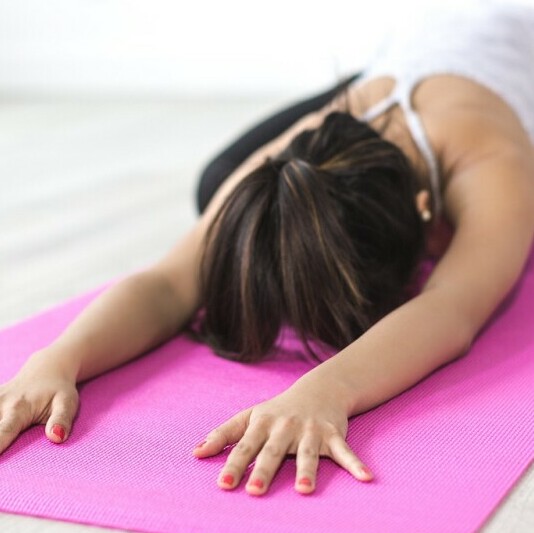
Certain yoga poses are especially effective at easing stress and calming the mind. Let’s start with Child’s Pose (Balasana). It’s super simple and incredibly grounding. Kneel on the floor, sit back on your heels, and stretch your arms forward. Breathe deeply here and let everything go. In this position, your body is curled in a nurturing posture, which helps melt away tension.
Next up is Cat-Cow Pose (Marjaryasana-Bitilasana). This one involves moving between two poses, which helps to release tension in the spine. From all fours, arch your back up like a cat and then dip your belly down like a cow. Match your breath to your movements and feel the stress unravel.
Bridge Pose (Setu Bandhasana) is another winner. Lying on your back with your knees bent, lift your hips towards the ceiling. This opens up the chest and shoulders, areas where we often hold stress. Holding this pose also promotes a sense of release and spaciousness in the heart area.
Don’t forget Corpse Pose (Shavasana). It’s the ultimate relaxation pose, done at the end of a session. Lie flat on your back, spread your arms and legs comfortably, and focus on your breath. This pose isn’t about doing but about being. It allows your body and mind to integrate the benefits of the practice.
So, how often should you hit the mat? To truly reap the benefits of yoga for stress relief, aim for at least 3 sessions a week. However, even a daily short session of 10-15 minutes can work wonders. The key is consistency. Making yoga a regular part of your routine helps to build resilience against stress over time.
Incorporating yoga into your routine doesn’t have to be a big production. Find snippets of time throughout your day. Maybe a quick session in the morning to start your day off right, or winding down with some gentle poses before bed. Whatever works for you is what matters.
Our Website contains affiliate links this means if you click and make a purchase we may receive a small commission. “Don’t worry there is no extra cost to you. It’s a simple way you can support our mission to bring you quality content.”