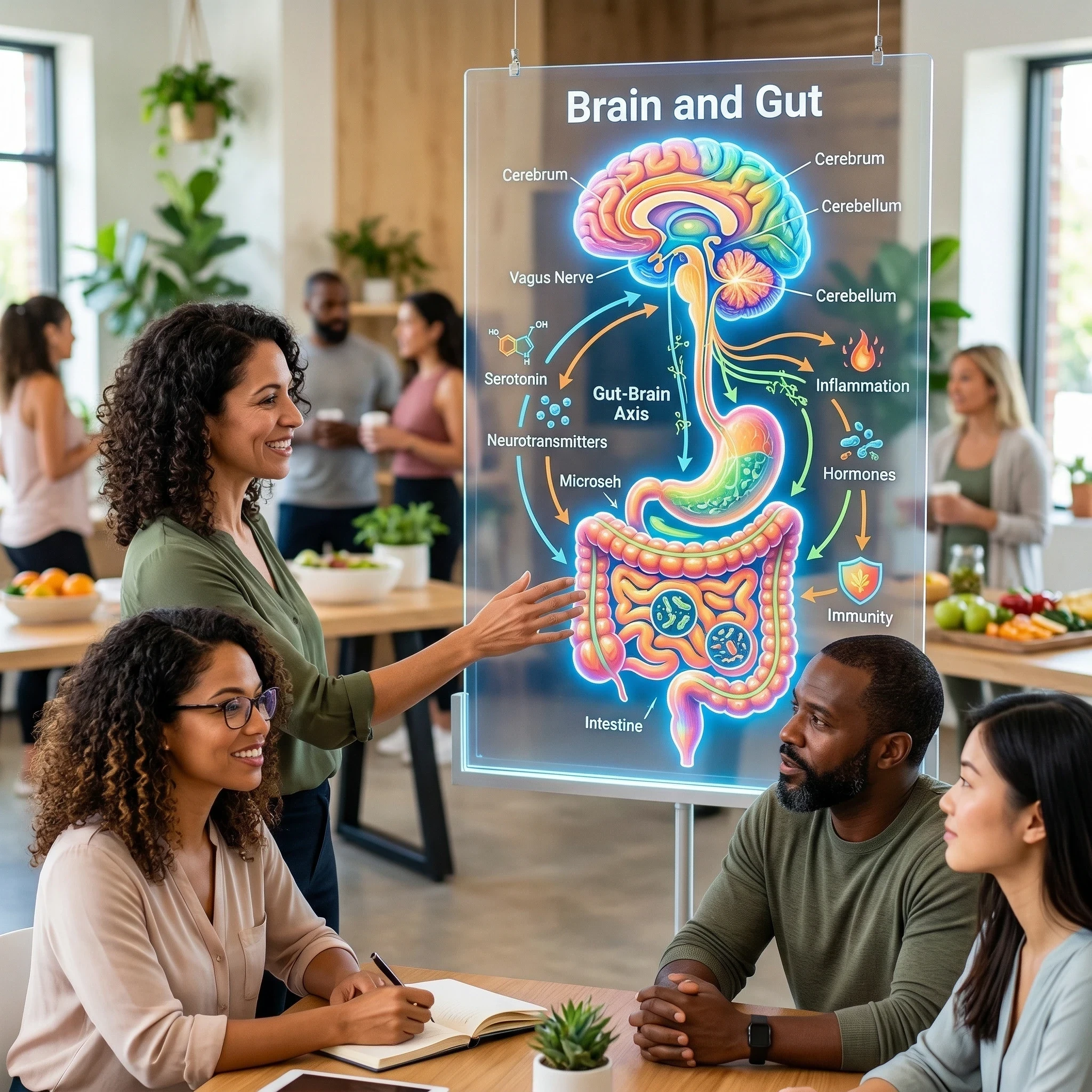
For years, we’ve been told to “trust our gut,” but science now shows this advice is more literal than we ever imagined. Your gut and brain are in constant conversation, shaping everything from your mood and stress levels to your memory and emotional resilience. This powerful connection is known as the gut–brain axis, and understanding it can transform the way you approach mental well‑being.
Let’s break down what the research says — and how a healthy diet can genuinely support your mental health.
What Exactly Is the Gut–Brain Axis?
The gut–brain axis is a bidirectional communication network linking your central nervous system (the brain and spinal cord) with your enteric nervous system (the “second brain” in your gut). This communication happens through:
- The vagus nerve
- Hormones and neurotransmitters
- The gut microbiome — trillions of bacteria, fungi, and microbes living in your digestive tract
These microbes don’t just help digest food. They produce neurotransmitters like serotonin, dopamine, and GABA, which influence mood, sleep, and stress responses.
Fun fact: Around 90% of the body’s serotonin — the “feel‑good” neurotransmitter — is produced in the gut, not the brain.
What Research Says About the Gut and Mental Health
Here are some of the most compelling findings from recent scientific studies:
1. Gut bacteria influence anxiety and depression
A 2017 review in Clinical Psychopharmacology and Neuroscience found that imbalances in gut bacteria (dysbiosis) are linked to higher rates of anxiety and depression. Researchers observed that people with mood disorders often have lower microbial diversity.
2. Probiotics can improve mood
A 2019 meta‑analysis in Psychiatry Research reported that probiotic supplementation significantly reduced symptoms of depression compared to placebo. These “psychobiotics” appear to modulate stress hormones and inflammation.
3. The gut affects stress responses
A landmark study published in PNAS showed that altering gut bacteria in mice changed their stress behaviour and cortisol levels. When healthy bacteria were restored, stress responses improved.
4. Inflammation plays a major role
Chronic inflammation — often driven by poor gut health — is strongly associated with depression. A 2020 review in Frontiers in Immunology highlighted that gut permeability (“leaky gut”) can trigger inflammatory pathways linked to mood disorders.
5. Diet directly shapes the gut microbiome
The large-scale SMILES Trial (2017) demonstrated that a Mediterranean-style diet significantly improved depression symptoms in just 12 weeks. Participants who improved their diet saw greater mental health improvements than those receiving social support alone.
How a Healthy Diet Supports Mental Well‑Being
Your gut microbes thrive on what you feed them. A nutrient-rich, fibre-forward diet can strengthen the gut–brain axis and support emotional balance.
Here’s how:
1. Reduces inflammation
Foods rich in antioxidants and omega‑3s — like berries, leafy greens, salmon, and walnuts — help calm inflammation, which is closely tied to depression and anxiety.
2. Supports neurotransmitter production
- Fermented foods (kimchi, kefir, yoghurt) boost GABA and serotonin production.
- Complex carbs (oats, quinoa, sweet potatoes) help regulate serotonin release.
3. Improves gut barrier function
Fibre-rich foods like beans, whole grains, and vegetables feed beneficial bacteria that strengthen the gut lining and reduce “leaky gut.”
4. Balances blood sugar
Stable blood sugar means fewer mood swings, better focus, and reduced irritability. Whole foods and balanced meals help keep glucose levels steady.
5. Enhances microbial diversity
A diverse microbiome = better resilience to stress. Eating a wide variety of plant foods (aim for 30+ per week) is one of the strongest predictors of microbial diversity.
Practical Tips to Improve Gut and Mental Health
- Start your day with a fibre-rich breakfast (oats + berries + chia).
- Add one fermented food to your daily meals.
- Drink green tea or herbal teas that support digestion.
- Reduce ultra‑processed foods that disrupt gut bacteria.
- Stay hydrated — water helps maintain a healthy gut lining.
- Aim for 7–9 hours of sleep, which supports microbial balance.
- Manage stress through breathwork, movement, or mindfulness.
Nurturing Your Second Brain: Strategies for Enhancing Gut Health to Boost Mental Well-being
Recognising when your gut isn’t quite right is the first step towards improving your mental well-being. Common signs such as digestive troubles, fatigue, or brain fog could point to an imbalance. Paying attention to these symptoms can lead to quicker adjustments and support your overall health.
One of the easiest ways to nurture your gut is through your diet. Foods rich in probiotics, like yoghurt, kefir, and sauerkraut, can boost the good bacteria living in your digestive system. Fibre-rich foods and prebiotics, such as bananas and oats, feed the healthy microbes already present, enhancing their ability to thrive and support the gut-brain link.
Beyond diet, lifestyle factors play a significant role too. Regular exercise helps maintain a healthy gut by reducing inflammation and encouraging the growth of beneficial bacteria. Managing stress through mindfulness or meditation can reduce the production of harmful gut bacteria, creating a more balanced environment. Additionally, getting quality sleep is a critical factor since it’s when your body does most of its healing and regulation.
Seeing the profound changes in people who’ve improved their gut health is truly inspiring. From clearer thinking to more stable moods, these stories highlight the potential for real transformation by focusing on this vital aspect of health. It’s all about integrating small, continuous changes into your routine, leading to a significant boost in both mental and physical health.
We strongly recommend that you consult with a qualified healthcare professional before making any decisions related to your health, diet, or well-being practices.
Your health and safety always come first.