
Ever noticed how your friend thrives on a high-fat keto diet while you struggle at every carb-free mealtime? It’s not just in your head. Personal metabolism plays a huge role in how effective a diet will be for someone. Your body has its own unique way of processing calories, and it manages energy differently than anyone else’s.
Genes, those tiny building blocks of you, don’t just determine your eye color. They also have a big say in how your body reacts to certain foods. Different genetic makeup means different nutrient processing, which explains why some folks shed pounds like autumn leaves while others, well, don’t.
Then there’s lifestyle. It’s not just what you eat. Stress, exercise, and sleep—or the lack thereof—are equally important in determining how well a diet works. Busy lifestyle, constant stress, or irregular sleep patterns can all impede your progress, affecting everything from appetite to calorie burn.
Hearing real-life stories can be an inspiration. Take Jane, for instance. Two people on the same diet can have contrasting results. Jane and her colleague both tried the same plan. Jane, with a penchant for stress-free evenings and ample sleep, saw results much faster than her office pal who worked late nights.
It’s interesting to consider how all these factors intertwine to make dieting such an individualistic journey. If anything, it says a lot about why some diets become game-changers for certain people but feel more like losing battles for others.
The Science Behind Sugar and Salt in Our Diets

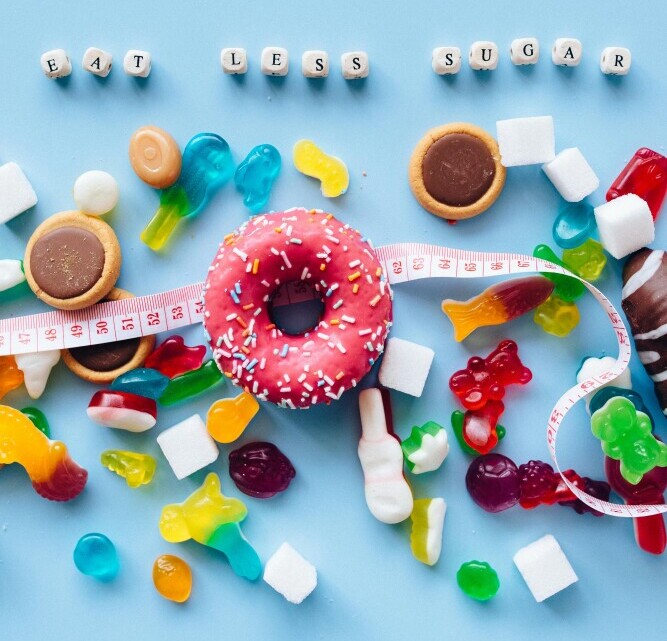
Ever wondered why there’s sugar even in your bread? Distributors aren’t just sweetening the deal for no reason. Sugar and salt do more than satisfy taste buds. They’re crucial for preserving food, making it last on shelves, and sometimes, they just make things cheaper to produce. But what happens when we overdo it?
Putting that sugar cube under the microscope, our bodies don’t always handle sugar and salt like champs. High levels mess with our metabolism, spiraling us towards health issues like obesity and hypertension. Reducing them might seem like a straightforward way to better health, but it’s not just about taking them out. It’s about understanding the balance and looking at the bigger picture of how we consume them.
If the sugar and salt curtains fell, would we see a healthier picture? It’s a fascinating thought that removing these staples could shift public health. But the transition is bigger than just swapping ingredients. It involves changing our taste expectations and redefining favorite foods. Would that be a smooth sail or a stormy ride?
Food manufacturers are clever. They use marketing to make sugar and salt in foods attractive, quickly becoming the norm. Knowing these tactics helps us make better choices, recognizing when we’re drawn to packaging instead of ingredients.
Understanding how sugar and salt sneak into our meals gives us power. Knowledge is key to making healthier choices, especially when we start involving more whole foods and less processed options. It’s not necessarily about quitting, but more about being informed and making choices that could improve our own health and maybe even the health of those around us.
Are Your Genes the Key to Diet Success?
With nutrigenomics, the science of how genetic variants affect dietary responses, we’re stepping into a world where diets can be as personalized as your Netflix suggestions. Your genes can tell you if you’re likely to thrive on a diet high in fats or if carbs are your real enemy.
Think about it: understanding your genetic material helps explain why some manage blood sugar levels effortlessly while others feel like it’s a constant battle. This genetic insight isn’t just a sci-fi concept; it’s reality. Access to this kind of information means you can tailor your diet in ways that naturally sync with your body’s needs.
Knowing your genetic makeup can turn the tables on conventional diet plans. While your neighbor may succeed by eating loads of fibre, your genes might suggest a different route, like increasing protein for better results. Personalized insights can save you a lot of trial and error, making those diet attempts more rewarding.
Genetic tests have become more accessible and less expensive. These tests provide a blueprint of your dietary needs and open the door to diets that align perfectly with your genetic predispositions. Of course, while reading your genetic map is insightful, advice from nutrition experts should not be ignored.
When folks learn what works for others—especially when genetics play a role—it becomes clear that what works for one might not work for all. It’s a personalized journey, and your genes hold the clues to a diet that finally ‘clicks.’ It’s all about using science to make better, more informed choices.
Questioning the Necessity of Modern Dieting Practices
Dieting wasn’t always about shredding pounds. Back in the day, it was about survival and scarcity. Fast forward to our brunch-every-Sunday era, and it’s become less about basic sustenance and more about dealing with lifestyle excess and health concerns.
The psychology behind dieting can often be linked to societal pressures. The media bombards us with images of perfection, making anyone feel the need to follow the latest miracle makeover. It’s easy to get caught in this whirlwind unless we’re mindful.
But diets aren’t just language lessons in vanity. They address significant health issues. Obesity, diabetes, and heart disease are tied to diet. Changing eating patterns can sometimes change these issues, often drastically improving quality of life.
There are other roads to consider besides traditional dieting. Intuitive eating, for example, encourages listening to your body’s hunger cues rather than strictly counting calories. It promotes a relationship with food that’s natural and less fraught with restrictions. Mindful consumption is another approach that emphasizes the importance of savouring each bite rather than eating on autopilot.
Harnessing methods like these can nurture a healthier relationship with food, steering us clear of yo-yo diets and toward more sustainable habits. Keeping an eye on overall health instead of just a number on the scale makes the journey worthwhile.
So, while the idea of conventional dieting wears many hats, questioning its necessity reminds us there’s no one-size-fits-all solution. Embracing what’s right for your unique body isn’t just smarter—it’s kinder too.
Our Website contains affiliate links this means if you click and make a purchase we may receive a small commission. “Don’t worry there is no extra cost to you. It’s a simple way you can support our mission to bring you quality content.