
Have you ever wondered whether you’re eating enough fibre?
Perhaps you’ve heard that fibre is important for gut health, but you’re unsure which foods contain it or how to include more in your daily meals.
You might already enjoy porridge, fruit, vegetables and wholegrain bread without thinking about their fibre content.
Or perhaps you’ve tried increasing fibre in the past, only to experience uncomfortable bloating or wind.
The good news is that supporting your fibre intake doesn’t require expensive supplements, complicated recipes or an entirely new eating routine.
Everyday foods such as oats, beans, lentils, fruit, vegetables, nuts and seeds can all contribute dietary fibre.
However, increasing fibre is not simply a matter of eating as much as possible.
Different fibres behave differently in the digestive system, and individual tolerance matters.
This guide explores why fibre is important, which familiar foods provide it, how it interacts with the gut microbiome and practical ways to make gradual changes that suit your lifestyle.
What You’ll Discover
In this article, you’ll learn:
- What dietary fibre is and why your body needs it.
- How fibre contributes to normal digestive function.
- The differences between soluble, insoluble and fermentable fibres.
- How fibre interacts with the gut microbiome.
- Ten everyday fibre-rich foods to consider.
- How much fibre adults are generally advised to eat.
- Simple ways to include fibre in breakfasts, lunches, dinners and snacks.
- Why increasing fibre gradually can help reduce digestive discomfort.
- When digestive symptoms need professional advice.
How This Article Can Help
Gut health advice can sometimes make fibre seem unnecessarily complicated.
You may encounter recommendations to take prebiotic powders, eat large amounts of raw vegetables or follow a particular diet to improve your microbiome.
But good nutrition doesn’t have to begin with specialist products.
A practical starting point is to understand the fibre already present in familiar foods.
This article focuses on realistic choices, affordable ingredients and the importance of personal tolerance.
It does not promise to eliminate bloating, cure digestive conditions or transform your gut microbiome.
Instead, it explains how dietary fibre can contribute to everyday wellbeing as part of a varied, balanced diet.
What Is Dietary Fibre?
Dietary fibre refers to components of plant foods that are not digested in the small intestine in the same way as most other carbohydrates.
Some fibres pass through the digestive system largely unchanged.
Others are broken down, or fermented, by microorganisms in the large intestine.
Different types of fibre have different physical properties and effects.
This is why eating a variety of plant foods is generally more useful than relying on one supposedly perfect source.
Fibre is naturally present in foods such as:
- Wholegrains.
- Beans and lentils.
- Fruit.
- Vegetables.
- Nuts.
- Seeds.
Although fibre is often discussed in connection with bowel movements, its role in nutrition extends beyond simply helping people avoid constipation.
Why Is Fibre Important For Digestive Health?
Fibre contributes to digestive health in several ways.
Supporting Normal Bowel Function
Certain fibres increase stool bulk, while others help retain water.
These effects can support bowel regularity and make stools easier to pass.
However, the effects vary according to fibre type, fluid intake and individual digestive circumstances.
Contributing To A Varied Gut Microbiome
Some fibres can be fermented by microorganisms in the large intestine.
During fermentation, gut bacteria may produce substances called short-chain fatty acids.
These compounds are involved in normal intestinal processes and are an active area of scientific research.
Different fibres are fermented to different degrees, and not every fibre acts as a prebiotic.
Supporting Overall Health
Higher dietary fibre intake is associated with a lower risk of several long-term conditions, including cardiovascular disease and type 2 diabetes.
Fibre-rich foods also contribute other nutrients, so these benefits should be understood in the context of the overall diet.
Fibre is an important component of healthy eating, but it is not a treatment for every digestive complaint.
Understanding Different Types Of Fibre
You may have heard fibre described as soluble or insoluble.
These categories can be helpful, although modern nutrition science also considers properties such as viscosity and fermentability.
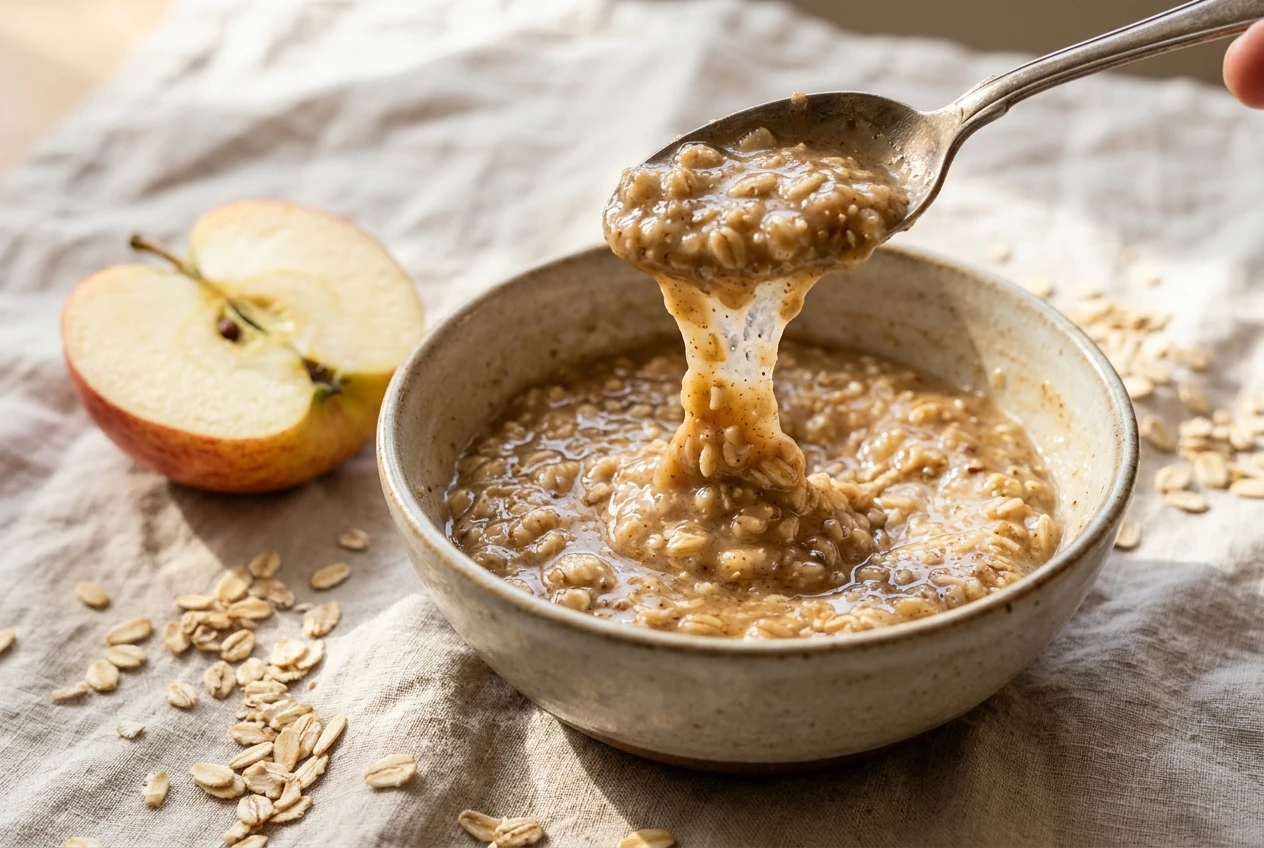
Most plant foods contain a mixture of different fibres.
Soluble Fibre
Some soluble fibres dissolve in water and form a gel-like substance.
Examples of foods containing soluble fibre include oats, barley, apples and certain pulses.
Specific soluble fibres, such as oat beta-glucan, have been studied for their effects on blood cholesterol.
Not every soluble fibre has the same effects.
Insoluble Fibre
Insoluble fibre does not dissolve in water.
It is found in foods such as wheat bran, wholegrain cereals and some vegetables.
Certain insoluble fibres can contribute to stool bulk and bowel regularity.
However, larger amounts of coarse wheat bran may worsen symptoms for some people with irritable bowel syndrome.
Fermentable Fibre
Some fibres are fermented by microorganisms in the large intestine.
Examples occur in foods such as onions, garlic, legumes and certain grains.
Fermentation can produce short-chain fatty acids, but it can also produce gas.
This means a food may be nutritious while still causing discomfort for someone who is sensitive to particular fermentable carbohydrates.
Resistant Starch
Resistant starch is a type of starch that escapes digestion in the small intestine.
It occurs naturally in certain foods, including legumes and some less-ripe bananas.
Cooking and cooling some starchy foods can also change their resistant starch content.
Resistant starch can be fermented in the large intestine, although its effects vary according to the food and individual.
You do not need to calculate each type of fibre separately.
For most people, choosing a variety of suitable plant foods is a practical starting point.
How Much Fibre Do Adults Need?
UK dietary guidance recommends approximately 30 grams of fibre per day for adults as part of a healthy, balanced diet.
The NHS notes that average adult intake is below this recommendation.
However, the figure is a population-level guideline rather than an instruction to increase fibre rapidly or ignore individual digestive symptoms.
Other countries use somewhat different recommendations.
For example, US guidance commonly describes adult fibre requirements within a range of approximately 22–34 grams daily, depending on age and sex.
These differences reflect how dietary recommendations are established and applied.
For Dietremidies readers in the UK, the NHS recommendation of around 30 grams daily is a useful general reference.
People with certain digestive conditions may require a different amount or type of fibre.
A registered dietitian can help establish an appropriate approach when general advice is unsuitable.
Ten Fibre-Rich Foods To Include In Everyday Meals
The following foods are widely available and can fit into familiar meals.
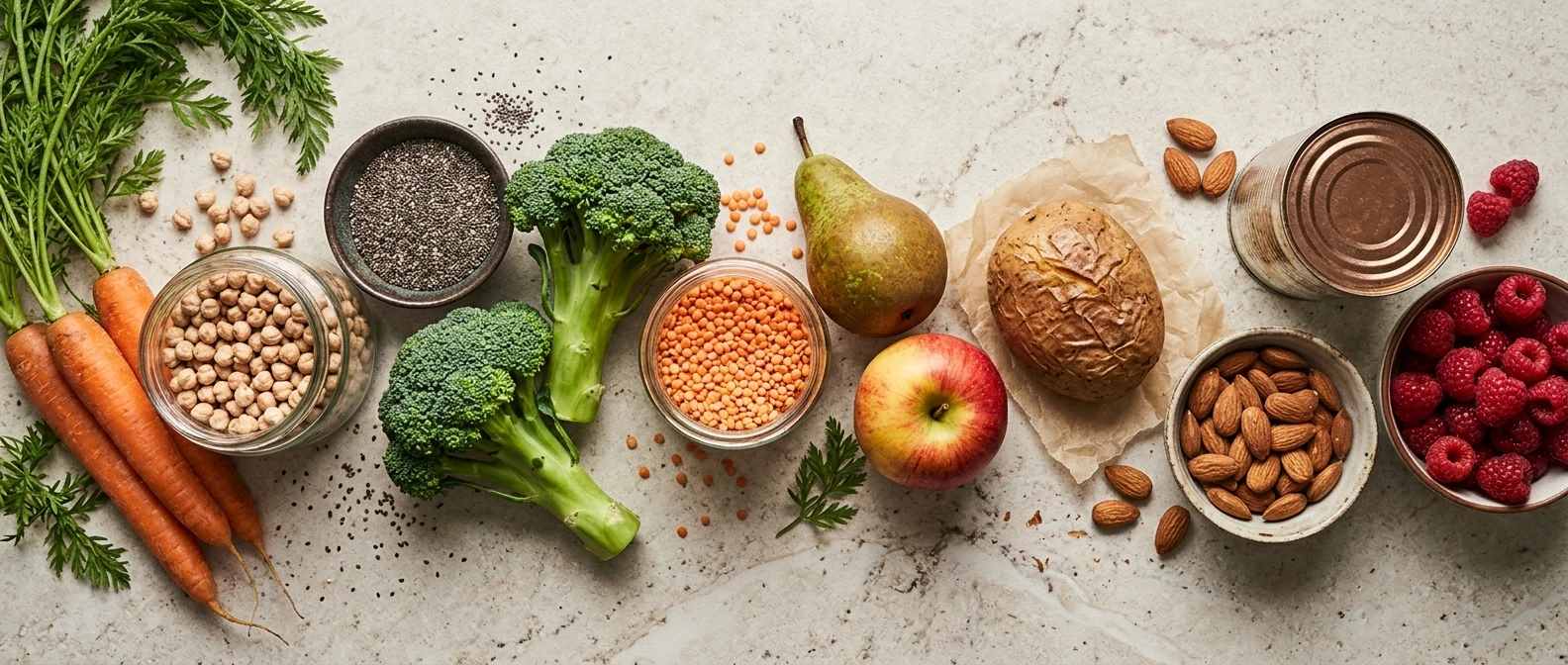
You do not need to eat all ten or introduce them at once.
1. Porridge Oats
Oats provide dietary fibre, including beta-glucan.
They can be prepared as porridge, overnight oats or added to suitable homemade recipes.
Everyday idea: Serve porridge with berries and plain yoghurt.
2. Lentils
Lentils provide fibre and plant protein.
They work well in soups, stews, curries and vegetable sauces.
Everyday idea: Add a small amount of cooked lentils to a familiar tomato-based pasta sauce.
3. Chickpeas
Chickpeas contribute fibre, protein and other nutrients.
They can be included in salads, curries, soups and hummus.
Everyday idea: Spread hummus on wholegrain toast and serve with cucumber.
4. Beans
Kidney beans, black beans, cannellini beans and baked beans can all contribute fibre.
Tinned beans are convenient, although salt and sugar content can vary.
Everyday idea: Add a small portion of beans to a vegetable soup.
5. Wholegrain Bread
Wholemeal and other higher-fibre breads can provide a convenient source of fibre.
Check food labels because fibre content differs between products.
Everyday idea: Choose wholegrain toast with eggs, avocado or hummus.
6. Berries
Raspberries, blackberries and other berries contribute fibre alongside vitamins and other plant compounds.
Fresh and frozen varieties can both be useful.
Everyday idea: Add berries to yoghurt or porridge.
7. Apples And Pears
Apples and pears contain dietary fibre, including fibre in their skins.
Wash fruit before eating and choose the form you tolerate comfortably.
Everyday idea: Enjoy sliced apple with plain yoghurt or suitable nut butter.
8. Vegetables
Carrots, broccoli, peas, green beans and many other vegetables contribute fibre.
Different preparation methods may affect how comfortably you tolerate them.
Everyday idea: Add cooked vegetables to soups, rice dishes or pasta sauces.
9. Nuts And Seeds
Almonds, walnuts, chia seeds, flaxseeds and other suitable varieties contribute fibre alongside fats and other nutrients.
Amounts should suit your appetite and individual needs.
Everyday idea: Sprinkle a small quantity of ground flaxseed over porridge.
If you have swallowing difficulties, food allergies or specific digestive restrictions, seek appropriate guidance.
10. Potatoes With Their Skins
Potatoes can contribute fibre, particularly when the skin is eaten.
They also provide carbohydrate and other nutrients.
Everyday idea: Serve a baked potato with beans and vegetables.
Choose preparation methods that suit your dietary needs and preferences.
How To Include More Fibre Without Complicating Your Day
Increasing fibre doesn’t require a complete dietary overhaul.

Small changes to meals you already enjoy can make a difference.
Breakfast
Consider porridge, higher-fibre cereal or wholegrain toast.
Fruit, nuts or seeds can add further variety.
For practical breakfast combinations, read:
How Balanced Breakfasts Support Everyday Energy
Lunch
Try adding lentils to soup, beans to a jacket potato or chickpeas to a salad.
Wholegrain bread or wraps can provide another source of fibre.
Dinner
Include vegetables with familiar meals.
You could gradually replace some refined grains with wholegrain alternatives or add pulses to a sauce.
There is no need to make every dinner entirely plant-based.
Snacks
Fruit, oatcakes, hummus, vegetable sticks and suitable nuts can contribute fibre between meals.
For more ideas, explore:
Smart Afternoon Snacks For Steadier Everyday Energy
The aim is to build variety over time rather than reach a perfect fibre total at every meal.
Why Increasing Fibre Gradually Matters
A sudden increase in fibre can cause digestive discomfort.
Some people experience:
- Bloating.
- Increased wind.
- Abdominal cramps.
- Changes in bowel movements.
This is particularly relevant when introducing larger quantities of beans, lentils, bran or fermentable plant foods.
The NHS and other recognised digestive-health resources recommend increasing fibre gradually.

For example, you might begin by adding a small serving of oats to breakfast or a little extra cooked vegetable to dinner.
Allow time to assess how you feel before making further changes.
It can also help to drink adequate fluids, particularly when increasing fibre.
Individual fluid requirements vary, and people who have been advised to restrict fluids should follow their healthcare professional’s guidance.
If symptoms persist, worsen or significantly affect daily life, seek medical advice rather than continually increasing fibre.
Fibre And Bloating: Why More Isn’t Always Better
Bloating is common, but it does not always mean that you need more fibre.
Some fibre-rich foods contain fermentable carbohydrates that can increase gas production.
For people with irritable bowel syndrome, certain foods may trigger symptoms even though they are nutritious.
For example, onions, garlic, some pulses and particular grains can be difficult for some individuals to tolerate.
This does not mean these foods are unhealthy.
It means that digestive responses differ.
You may find that smaller portions, cooked vegetables or different fibre sources are more comfortable.
However, avoid unnecessarily removing entire food groups without professional guidance.
If you have persistent bloating, pain, diarrhoea or constipation, speak with your GP or a registered dietitian.
A restrictive diet, including a low-FODMAP diet, should be considered with appropriate professional support rather than started solely from online advice.
Fibre, Prebiotics And The Gut Microbiome
The terms fibre and prebiotic are sometimes used interchangeably, but they are not identical.
A prebiotic is a substance used selectively by microorganisms in a way that provides a health benefit.
Certain dietary fibres can act as prebiotics, but not all fibres meet this definition.
Foods such as onions, garlic, asparagus and some bananas contain carbohydrates that can be fermented by gut microorganisms.
However, their effects depend on the food, the amount consumed and individual circumstances.
Scientists are continuing to investigate how different dietary patterns influence the gut microbiome.
It would be misleading to suggest that eating one particular food will automatically create a healthier microbiome.
For everyday nutrition, including a variety of tolerated plant foods is a more realistic approach than trying to control specific gut bacteria through individual ingredients.
Natural Food-First Approaches To Fibre Intake
Dietremidies encourages practical, evidence-informed approaches to everyday wellbeing.
When it comes to fibre, ordinary foods are often a sensible place to begin.
Use Familiar Ingredients
Oats, lentils, beans, vegetables and fruit can contribute fibre without requiring specialist supplements.
Choose Affordable Alternatives
Frozen vegetables, tinned pulses and seasonal fruit can be practical choices.
Check product labels and prepare foods according to food safety instructions.
Adjust Preparation Methods
Some people find cooked vegetables more comfortable than large servings of raw vegetables.
Pulses can be introduced in small amounts, with appropriate preparation.
Avoid Unsupported Detox Claims
Fibre plays important roles in digestion, but claims that fibre-rich foods cleanse toxins from the body are misleading.
The body has established processes for handling and eliminating waste.
Be Cautious With Supplements
Fibre supplements may be appropriate for certain people and conditions.
However, different products have different effects, and some can cause bloating or interact with medicines by affecting their absorption.
Do not assume that a natural supplement is automatically safer or better than ordinary foods.
Seek professional advice when considering supplements for ongoing digestive symptoms.
Common Fibre Myths Worth Rethinking
Myth 1: Everyone Should Eat As Much Fibre As Possible
Fibre is important, but individual needs and tolerance vary.
More is not always better.
Myth 2: Only Wholegrain Foods Contain Fibre
Fruit, vegetables, beans, lentils, nuts and seeds also provide fibre.
Myth 3: Fibre Always Reduces Bloating
Some fibres may worsen bloating in sensitive individuals.
The type, amount and rate of increase matter.
Myth 4: You Need A Prebiotic Supplement For Gut Health
Many everyday plant foods contain fibres that can contribute to a varied diet.
Supplements are not automatically necessary.
Myth 5: One Fibre-Rich Food Can Fix Your Gut Microbiome
The microbiome is complex, and responses to dietary changes vary.
No single food can guarantee a particular microbiome outcome.
When To Seek Professional Advice
General fibre guidance may not be suitable for everyone.
Speak with a healthcare professional if you experience persistent or worsening digestive symptoms.
Particular attention is important if you have:
- Ongoing abdominal pain.
- Persistent diarrhoea or constipation.
- Significant or persistent bloating.
- Unexplained weight loss.
- Blood in your stool.
- A diagnosed digestive condition requiring dietary management.
Blood in the stool, unexplained weight loss or persistent changes in bowel habits should not be attributed to fibre intake without medical assessment.
People with bowel narrowing, bowel obstruction risk or certain digestive conditions may need to restrict or modify fibre intake under professional guidance.
Seek urgent medical care for severe abdominal pain, particularly if accompanied by vomiting, significant swelling or inability to pass stool or wind.
Common Questions About Fibre And Gut Health
1. How much fibre should adults eat each day?
UK guidance recommends around 30 grams daily for adults as part of a balanced diet.
However, individual needs may differ, particularly for people with digestive conditions.
2. Which foods are good sources of fibre?
Oats, wholegrains, lentils, beans, chickpeas, fruit, vegetables, nuts and seeds are useful examples.
Choosing a variety of foods helps provide different types of fibre.
3. Can eating more fibre help with constipation?
Adequate fibre and fluid intake can support bowel regularity and may help some people with constipation.
However, the appropriate approach depends on the cause of symptoms.
Persistent constipation should be discussed with a healthcare professional.
4. Why do I feel bloated after eating fibre-rich foods?
Some fibres are fermented by gut microorganisms, which can produce gas.
Increasing fibre too quickly or eating large amounts of certain foods may contribute to discomfort.
If bloating persists or is severe, seek medical advice.
5. Do I need fibre supplements to support gut health?
Not necessarily.
Many people can increase fibre intake through ordinary foods.
Supplements may be useful in specific circumstances, but they are not automatically required and should be chosen with appropriate guidance.
Looking Ahead
Fibre is one important part of everyday nutrition.
Our next proposed article, Simple Lunch Ideas For Busy Days And Balanced Nutrition, will explore practical lunch combinations, affordable ingredients and ways to prepare satisfying meals without complicated food rules.
It will build on the breakfast, protein and fibre guidance already covered in this series.
Continue Your Wellness Journey
Explore these related Dietremidies articles:
How Balanced Breakfasts Support Everyday Energy
Discover practical breakfast combinations and ways to include wholegrains, fruit and protein in everyday meals.
Read the article: https://dietremidies.com/balanced-breakfast-everyday/
Understanding The Role Of Protein In Everyday Energy And Wellbeing
Learn about familiar protein sources, general adult requirements and practical food-first meal planning.
Read the article: https://dietremidies.com/protein-everyday-energy-wellbeing/
Smart Afternoon Snacks For Steadier Everyday Energy
Explore simple snack combinations using fruit, wholegrains, yoghurt, pulses and other familiar foods.
Read the article: https://dietremidies.com/smart-afternoon-snacks-for-steadier-everyday-energy/
Understanding Your Daily Energy Patterns Without Chasing Quick Fixes
Explore how everyday routines and personal circumstances can provide context for understanding tiredness.
Read the article: https://dietremidies.com/understanding-your-daily-energy-patterns-without-chasing/
A Gentle Reminder
Supporting digestive wellbeing doesn’t have to involve expensive supplements or a complicated list of foods to avoid.
A bowl of porridge, a serving of vegetables, a piece of fruit or a small amount of lentils added to a familiar meal can all contribute dietary fibre.
The most useful changes are often those you can maintain comfortably.
There is no need to rush towards a particular number if your digestive system is struggling to adjust.
Listen to your body’s responses, respect individual differences and seek professional guidance when symptoms are persistent or concerning.
A varied diet and realistic habits provide a more useful foundation than chasing a perfect gut-health routine.
Further Reading
The following resources provide evidence-based information about dietary fibre and digestive wellbeing.
NHS — How To Get More Fibre Into Your Diet
https://www.nhs.uk/live-well/eat-well/digestive-health/how-to-get-more-fibre-into-your-diet/
British Dietetic Association — Fibre
https://www.bda.uk.com/resource/fibre.html
NHS Inform — Fibre
https://www.nhsinform.scot/healthy-living/food-and-nutrition/eating-well/fibre/
US National Institute Of Diabetes And Digestive And Kidney Diseases — Eating, Diet & Nutrition For Constipation
https://www.niddk.nih.gov/health-information/digestive-diseases/constipation/eating-diet-nutrition
HealthLink BC — Fibre And Your Health
https://www.healthlinkbc.ca/healthlinkbc-files/fibre-and-your-health
Health Disclaimer
This article provides general educational information and does not constitute medical diagnosis, treatment or individualised dietary advice.
Fibre requirements and tolerance vary according to age, health status, digestive conditions, medicines and other personal circumstances.
People with irritable bowel syndrome, inflammatory bowel disease, bowel narrowing, a history of bowel obstruction or medically prescribed dietary restrictions should seek personalised advice before significantly increasing fibre intake.
Persistent abdominal pain, changes in bowel habits, unexplained weight loss or blood in the stool require appropriate medical assessment.
Seek urgent medical attention for severe or rapidly worsening abdominal symptoms.
Do not use fibre supplements or restrictive diets to manage ongoing digestive symptoms without appropriate professional guidance.
Your health and safety always come first.
Affiliate Disclosure
Some Dietremidies articles may contain affiliate links.
Where affiliate links are included, Dietremidies may receive a small commission from qualifying purchases at no additional cost to the reader.
Affiliate relationships do not influence the importance of responsible health information, appropriate evidence and transparent recommendations.