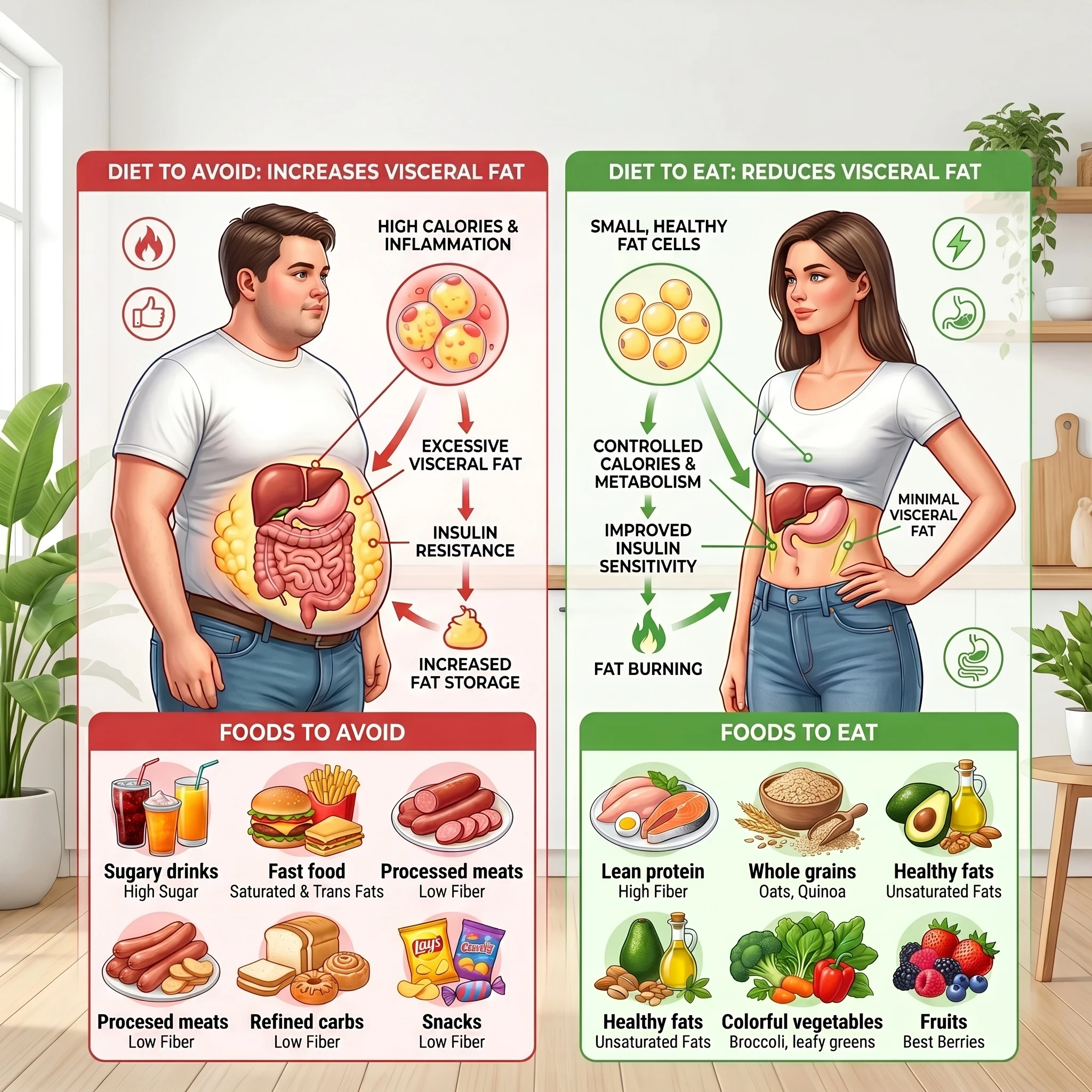
Visceral fat, the stuff that wraps around your internal organs in the belly area, isn’t something to ignore. Unlike the kind of fat you can pinch, visceral fat can lead to serious health issues like heart disease and type 2 diabetes. That’s why understanding how it forms and sticks around is vital.
The food we eat plays a significant part in either keeping visceral fat at bay or letting it pile up. Consuming a diet high in saturated fats, sugars, and processed foods tends to increase visceral fat. On the flip side, eating more natural, whole foods can help manage it effectively. Getting your meals right makes a world of difference.
Feeling overwhelmed with where to start?
Download my FREE “Reset & Refocus” Gut & Brain Starter Guide to support your digestion, reduce bloating, and feel more energised—one simple step at a time.
 [Download your free guide here
There’s more to this story than just food choices, though. Stress and lack of sleep can also send our bodies into fat-storage overdrive, especially in the belly. Stress hormones can prompt the body to store visceral fat even when you’re watching what you eat.
Knowing how visceral fat differs from subcutaneous fat is also key. Subcutaneous fat sits just under the skin and is less dangerous to health. But visceral fat, hiding deeper in the belly, acts almost like a living organ, affecting hormones and inflammation in the body. That’s why tackling visceral fat with the right mix of diet and lifestyle changes is crucial.
Optimal Foods for Reducing Visceral Fat
Eating the right foods is like giving your body the best tools to combat visceral fat. Certain foods can really pack a punch when it comes to reducing inflammation, a big player in storing visceral fat.
Berries, greens, and nuts are the heroes here, loaded with antioxidants and nutrients that actively fight inflammation. Reach for blueberries, spinach, and almonds; they’re easy to add to your meals and snacks.
Lean proteins are essential too, helping you feel full while repairing and building muscles. Think chicken, fish, and legumes. These options keep calorie intake controlled while nourishing your body efficiently without adding extra fat.
Healthy fats found in items like avocados and olive oil can help keep you satisfied and your body functioning optimally. They support heart health and have anti-inflammatory properties that are beneficial in managing fat.
High-fibre foods also play a critical role in this battle. Foods like beans, oats, and brown rice not only keep your digestion on track but also keep you feeling full longer, helping to fend off weight gain.
Want a simple plan you can actually follow?
I created a FREE 7-step Reset & Refocus Guide to help you improve your gut health without confusion.
 Easy-to-follow steps
Gut-friendly food ideas
Designed for real life
The idea isn’t about avoiding fats altogether but choosing the ones that actually benefit your body. These foods can become part of a sustainable way of eating that will contribute to better overall health.
Foods and Habits to Avoid for Better Visceral Fat Management
Avoiding certain foods and habits can be as crucial as embracing healthy ones when it comes to reducing visceral fat. One of the biggest culprits is sugar, especially when consumed in the form of sugary drinks and processed sweets, which quickly turn into fat if not properly used by the body for energy.
Processed foods, often laden with preservatives and unhealthy additives, don’t just increase your caloric intake but also disrupt the natural balance of hormones, encouraging fat storage in the belly region. Be wary of foods with long ingredient lists – the simpler, the better.
Stay clear of trans fats and excessive sodium. Trans fats, often found in fried and baked goods, are notorious for contributing to health problems beyond just visceral fat, affecting cholesterol levels and heart health. Similarly, too much sodium encourages water retention, which can mask progress in fat loss efforts.
Alcohol, when consumed in excess, turns into a fast track to gaining visceral fat. Known as “beer belly” for a reason, alcohol not only adds calories but also alters how your body metabolises fat, particularly around the waist.
Mindful eating and portion control can make a significant difference as well. By listening to your body’s hunger signals and sticking to proper portion sizes, you reduce the tendency to overeat, which ties back to maintaining a healthy weight. Begin noticing when you’re full and make a conscious choice to avoid processed and sugary foods, steering towards wholesome, real ingredients.
Ready to take the next step?
If you’re tired of guessing what to eat and want a clear, structured plan, start with my FREE Reset & Refocus Guide.
It’s designed to help you:
Reduce bloating
Support digestion
Feel more energised
Want a complete transformation?
Upgrade to the 7-Day Gut & Brain Reset Plan for a deeper, guided approach to healing your gut and improving mental clarity.
We strongly recommend that you consult with a qualified healthcare professional before making any decisions related to your health, diet, or well-being practices.
Your health and safety always come first.
Our Website contains affiliate links. This means if you click and make a purchase, we may receive a small commission. “Don’t worry, there is no extra cost to you. It’s a simple way you can support our mission to provide you with quality content.