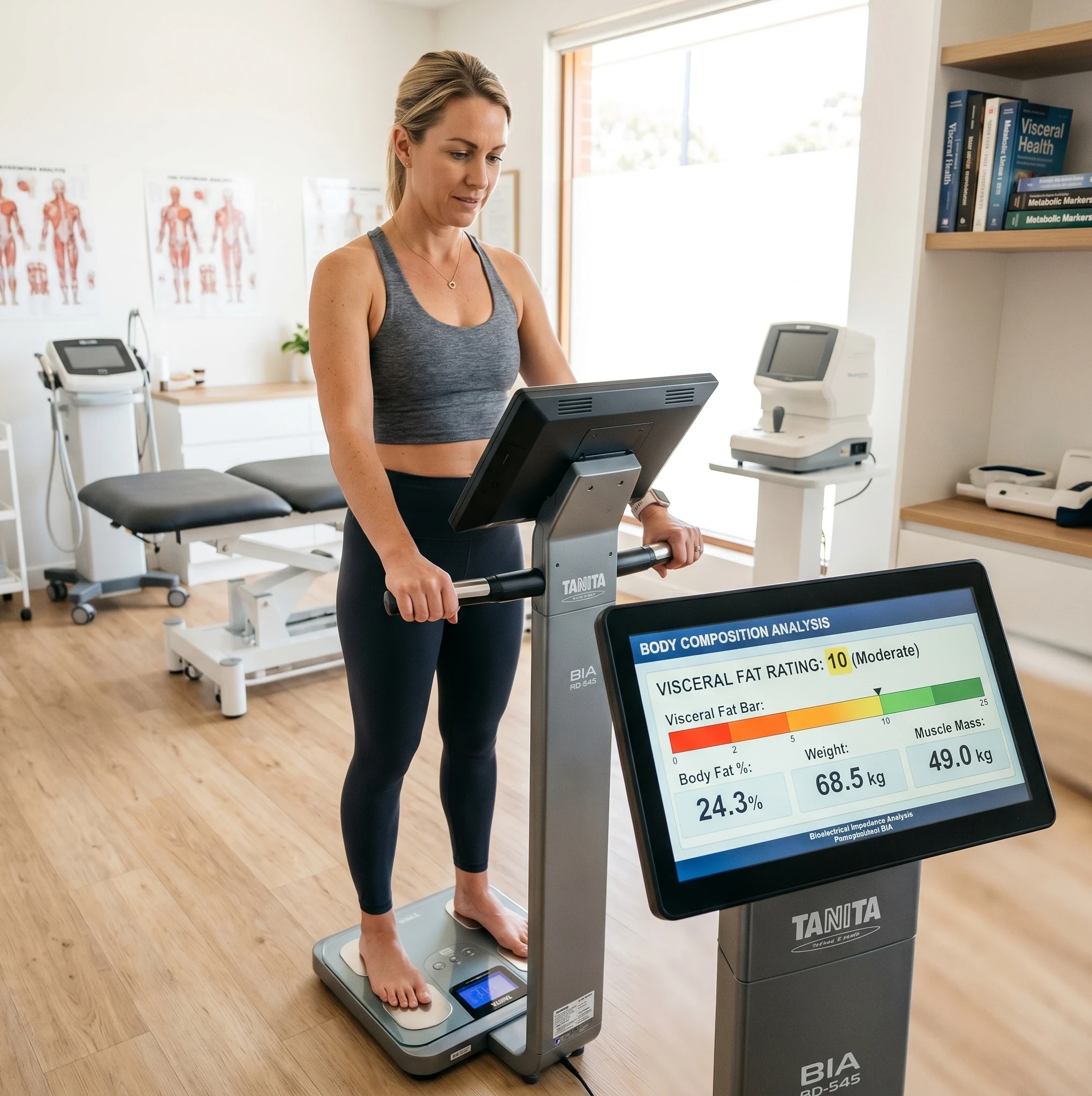
Visceral fat, often lurking unnoticed within the abdomen, is more than just an inconvenience. It sits deep inside, wraps around vital organs like the liver and intestines, and plays a major role in overall health. Unlike the fat under your skin, known as subcutaneous fat, visceral fat has a more direct path to the bloodstream, affecting the body’s metabolism and hormone regulation.
Spotting the difference between visceral fat and subcutaneous fat can be tricky, but it’s essential. Subcutaneous fat is visible and lies right beneath the skin, while visceral fat is hidden deeper within your body. This hidden fat can be more hazardous because it releases inflammatory substances that increase the risk of chronic diseases.
High visceral fat levels have been linked to serious health issues like cardiovascular problems, type 2 diabetes, and certain cancers. It’s not just about the numbers on the scale; it’s about what could be silently increasing your health risks. This hidden danger makes measuring and managing visceral fat not just important but vital.
Certain people should pay extra attention to their visceral fat levels. This includes anyone with a family history of heart disease or diabetes, as well as those experiencing a gradual increase in weight around the waist as they age. Pregnant individuals or those with specific health conditions might also need special monitoring.
It’s crucial to involve healthcare professionals when evaluating visceral fat. They can provide personalised insights and guidance tailored to your health profile. Consistent check-ups and assessments with a medical expert can help you understand what your body needs and how to maintain a healthy balance.
Common Tools for Measuring Visceral Fat
When it comes to keeping tabs on visceral fat, there are several tools available. While the Body Mass Index (BMI) and waist-to-hip ratio have been around for ages, they’re not as precise at pinpointing visceral fat. BMI doesn’t differentiate between fat and muscle, which can lead to misleading insights, especially in highly muscular individuals.
For those looking for precision, imaging technologies like CT scans and MRIs stand out. These methods allow for a direct look inside the body, offering a clear view of how much visceral fat there is. However, they do come with hefty price tags and might not be accessible to everyone for routine checks.
Bioelectrical impedance analysis (BIA) offers a less invasive alternative. Many modern scales come with BIA technology, making them a convenient option for at-home monitoring. They work by sending a harmless electrical current through the body to estimate fat percentages. While not as precise as an MRI, they offer a relatively accurate picture of body composition.
Smart scales and body composition monitors have become popular for those wanting a technological touch. These devices provide estimates of visceral fat along with other metrics like muscle mass and hydration. The downside? Their accuracy can vary, and they should ideally be used alongside professional guidance.
Before diving into these tools, it’s wise to consult healthcare professionals. They can advise on which method suits your health needs best and help interpret the results accurately. This professional support can make all the difference in ensuring you track the right metrics and take the appropriate actions.
Techniques and Lifestyle Approaches to Manage Visceral Fat Levels
Reducing visceral fat isn’t just about looking good; it’s about getting healthy. Diet plays a massive role here. By cutting back on refined sugars and swapping in more fibre, you can make significant strides. Foods like whole grains, beans, and vegetables are your friends. These not only help curb your hunger but also support the healthy bacteria in your gut, potentially lowering visceral fat levels.
Exercise is another key player in managing this hidden fat. Incorporating both cardio and strength training into your routine can work wonders. Activities like jogging, cycling, or swimming boost your heart rate, while strength exercises help build muscle, increasing your basal metabolic rate. This dual approach can maximise fat loss, including the tricky-to-target visceral fat.
Lifestyle changes are just as crucial. Stress has a nasty habit of contributing to visceral fat buildup, so finding effective ways to manage it—such as yoga, meditation, or simple breathing exercises—can be beneficial. Don’t underestimate the power of a good night’s sleep, either; it supports metabolic health and helps regulate hormones that control appetite.
In today’s tech-savvy world, health tracking apps can keep you motivated and accountable. They offer insights into your daily habits, showing where you can improve. Whether it’s tracking meals, workouts, or sleep, these apps can provide data-driven motivation to keep you on track.
Regular check-ins with healthcare providers are vital. They offer professional insights into your progress and can adjust your plan as needed. This ensures that your approach remains effective and safe, catering to your unique health needs.
We strongly recommend that you consult with a qualified healthcare professional before making any decisions related to your health, diet, or well-being practices.
Your health and safety always come first.
Our Website contains affiliate links. This means if you click and make a purchase, we may receive a small commission. “Don’t worry, there is no extra cost to you. It’s a simple way you can support our mission to provide you with quality content.