Feeling tired is something almost everyone experiences. A demanding day, interrupted sleep, emotional stress or a particularly busy week can leave us longing for rest.
However, not all tiredness feels the same.
Sometimes we feel sleepy and simply want to close our eyes. At other times, we experience a deeper sense of exhaustion that makes everyday activities feel more difficult, even when we’ve had an opportunity to rest.
Understanding these differences can help us make sense of our experiences without immediately assuming that something is wrong—or overlooking symptoms that deserve attention.
Energy is influenced by many factors, including sleep, nutrition, physical activity, emotional wellbeing and underlying health conditions. Although everyday habits can affect how we feel, persistent fatigue cannot always be explained by lifestyle choices.
This article explores the difference between everyday tiredness, sleepiness and fatigue, why rest doesn’t always resolve exhaustion, and when it is sensible to seek professional guidance.
What You’ll Discover
Throughout this article, you’ll discover:
- How everyday tiredness differs from more persistent fatigue.
- Why feeling sleepy is not necessarily the same as feeling exhausted.
- How tiredness can affect physical and mental wellbeing.
- Why adequate time in bed doesn’t always mean restorative sleep.
- Why persistent or unexplained fatigue deserves attention.
- How to approach your wellbeing with understanding rather than self-diagnosis.
How This Article Can Help
This resource is designed to provide clarity, not a diagnosis.
By understanding the different ways tiredness can affect us, you can become more aware of changes in your wellbeing, recognise when further guidance is appropriate, and avoid placing unnecessary pressure on yourself to solve every energy concern through lifestyle changes alone.
Understanding Everyday Tiredness
Everyday tiredness is a familiar response to physical effort, mental demands or insufficient rest.
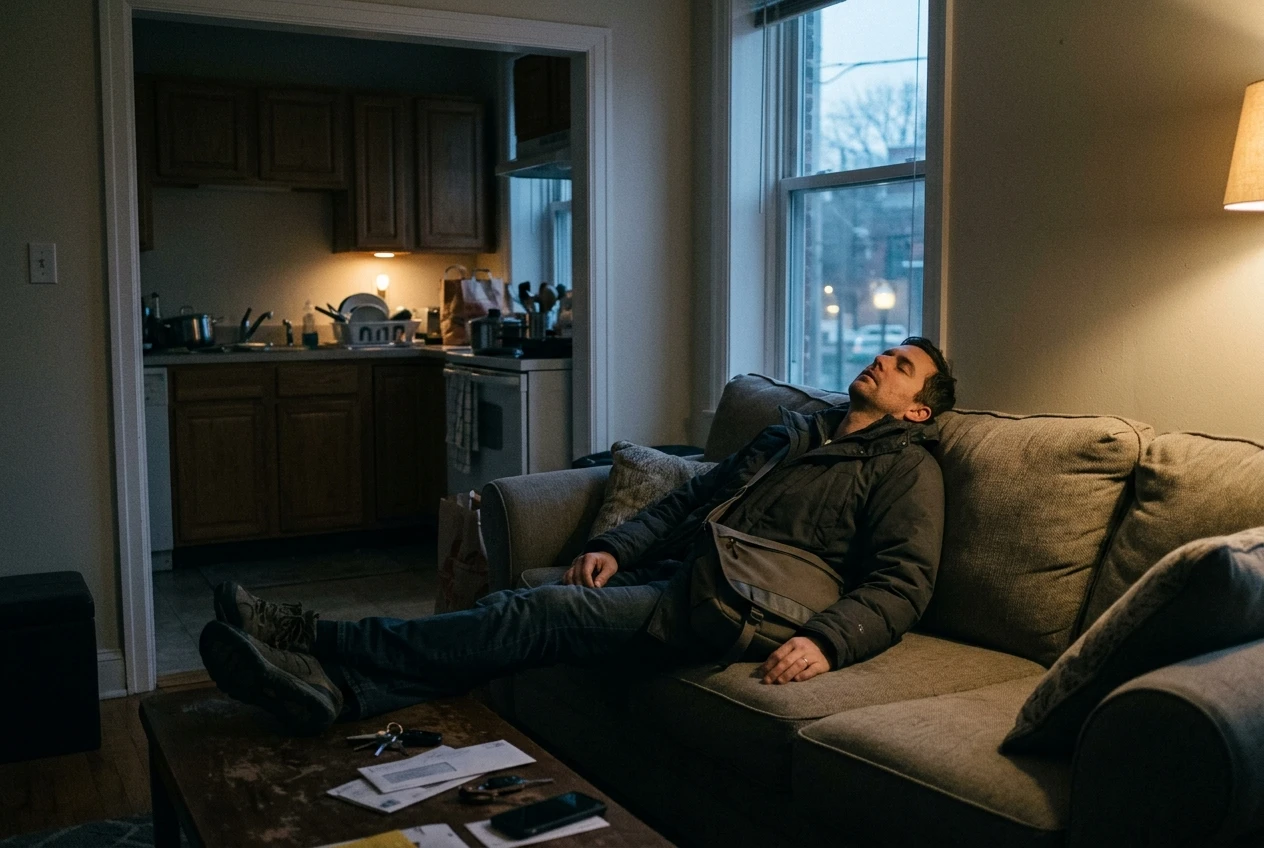
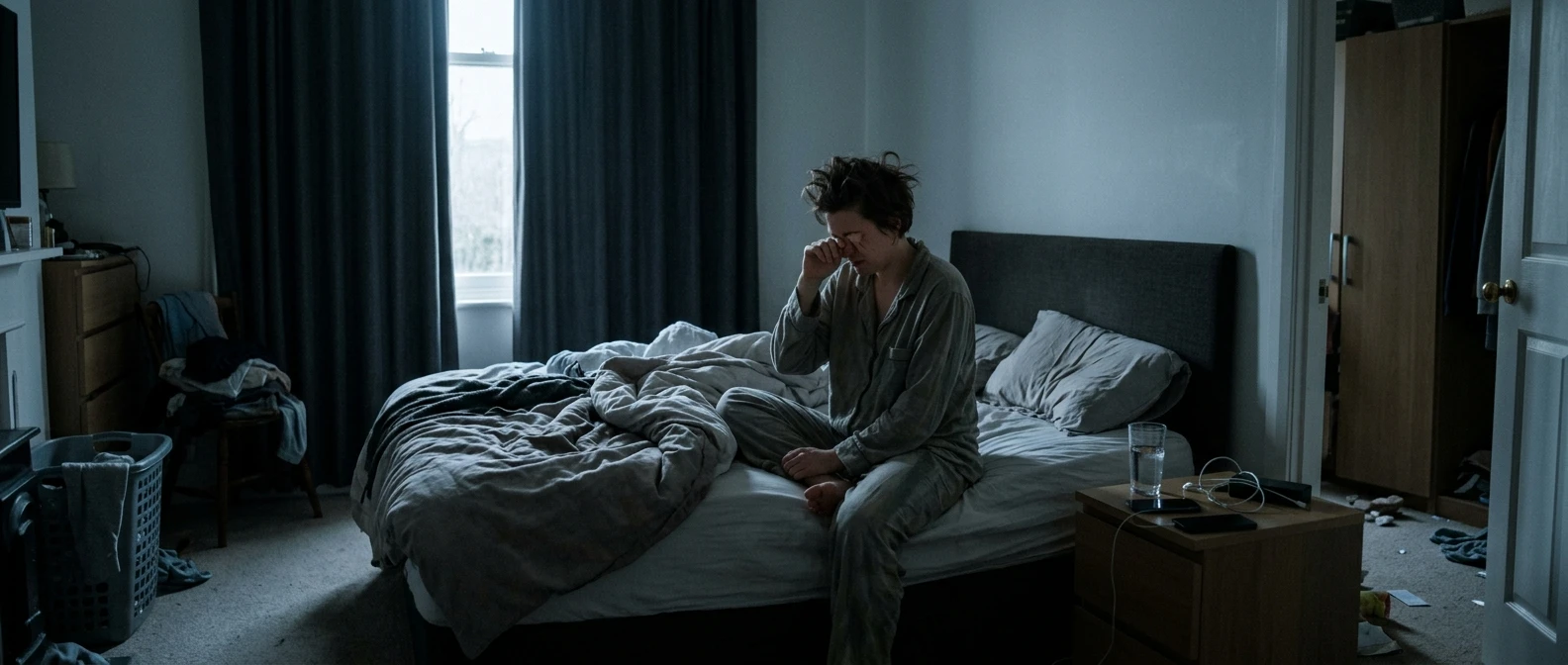
After a busy day, a long journey or a night of interrupted sleep, feeling tired is understandable. In many circumstances, adequate sleep and recovery help us feel more refreshed.
But tiredness isn’t always linked to one obvious event.
Periods of emotional pressure, changes in routine, disrupted sleep and other everyday demands can also influence how energised we feel.
Occasional tiredness is not automatically a sign of illness. However, unexplained tiredness that continues for several weeks, affects daily life or occurs alongside other symptoms deserves medical attention.
The NHS recommends speaking to a GP in these circumstances rather than trying to identify the cause yourself. You can find further guidance in NHS — Tiredness and fatigue.
What Does Fatigue Actually Mean?
Fatigue is often described as a more profound sense of tiredness or exhaustion.
It can affect physical activity, concentration, motivation and the ability to manage everyday responsibilities.
For some people, fatigue feels like having very little physical energy. For others, mental tasks become unusually demanding, even when those tasks previously felt manageable.
Fatigue can also persist despite rest or sleep.
Importantly, fatigue is a symptom rather than a diagnosis. It can arise for many different reasons, and its presence alone does not establish an underlying condition.
NHS patient guidance describes fatigue as a deep feeling of tiredness that does not necessarily disappear after rest. For further information, see Cambridge University Hospitals NHS — Coping with fatigue.
This distinction matters because someone experiencing ongoing fatigue does not necessarily need more discipline, a stricter routine or another wellness product. They may need a better understanding of what is happening and, where appropriate, medical assessment.
Tiredness, Sleepiness And Fatigue: Understanding The Differences
Although these terms are often used interchangeably, they describe somewhat different experiences. Understanding these distinctions can help us recognise how tiredness affects everyday life without making assumptions about the cause.
1. Everyday Tiredness
Everyday tiredness often develops after physical activity, insufficient sleep or a demanding period.
It can leave you feeling worn out or in need of rest. Depending on the circumstances, appropriate sleep and recovery can help you feel more refreshed.
Important distinction: Everyday tiredness often improves with rest, although this is not always the case.
2. Sleepiness
Sleepiness describes the feeling of wanting to fall asleep or struggling to remain awake.
It is different from simply feeling low in energy. Someone experiencing sleepiness might find it difficult to stay alert during ordinary daytime activities.
Important distinction: Sleepiness relates particularly to the urge or tendency to fall asleep.
3. Fatigue
Fatigue describes a deeper sense of physical or mental exhaustion that can make everyday activities more difficult.
Someone experiencing fatigue might struggle with concentration, physical tasks or activities that previously felt manageable.
Important distinction: Fatigue does not always improve sufficiently with sleep or rest.
Understanding Where These Experiences Overlap
These experiences can overlap. A person can feel both sleepy and fatigued, and the distinction is not always clear without professional assessment.
Excessive daytime sleepiness is particularly important to recognise. The NHS explains that repeatedly falling asleep during the day differs from simply feeling tired, and recommends GP assessment when it occurs frequently or affects daily life.
For further guidance, read NHS — Excessive daytime sleepiness.
The aim is not to label every sensation, but to recognise that different experiences can require different forms of support.
Why Rest Doesn’t Always Resolve Exhaustion
Rest is essential for wellbeing, but it does not address every possible reason for feeling exhausted.
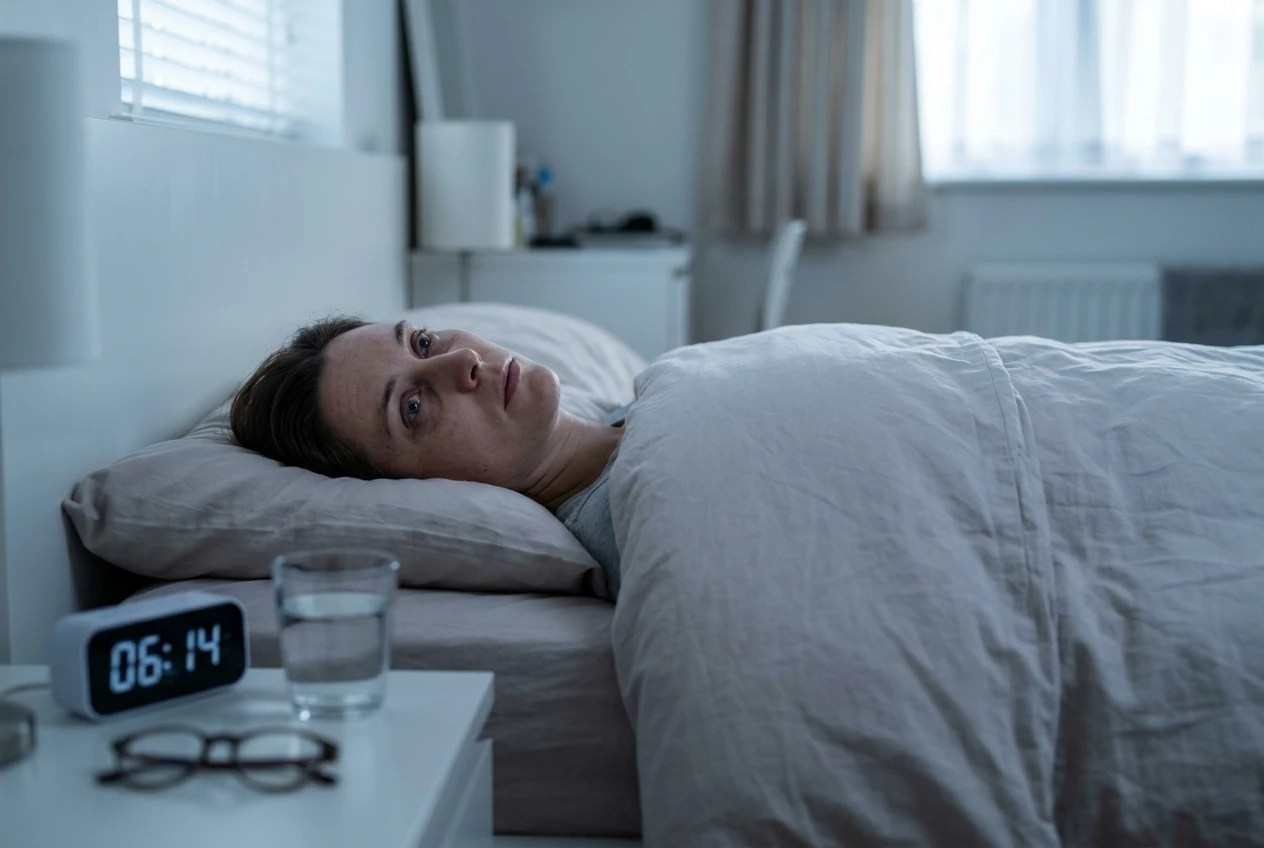
Someone might spend sufficient hours in bed yet still wake feeling unrefreshed.
This can happen when sleep is disrupted or poor in quality. In other circumstances, ongoing fatigue can be associated with medicines, mental health difficulties, nutritional deficiencies, hormonal changes or medical conditions.
These are possibilities rather than explanations for any individual reader.
For example, NHS guidance identifies sleep apnoea, iron deficiency anaemia, diabetes and thyroid conditions among the possible medical causes of tiredness. This does not mean that someone who feels tired has any of these conditions.
The central lesson is that sleep duration alone cannot explain every experience of fatigue.
If tiredness continues despite opportunities for rest, it is better to seek appropriate advice than repeatedly attempt new remedies without understanding the cause.
Factors That Can Influence How Tired We Feel

Several areas of everyday life can affect our sense of energy.
Sleep and Recovery
Interrupted sleep, irregular schedules and insufficient restorative sleep can contribute to daytime tiredness.
Our existing Dietremidies resource, Why Sleep Plays Such An Important Role In Wellness, explores sleep as a foundation of general wellbeing.
Nutrition and Hydration
The body needs adequate nourishment and fluids to function normally. Irregular eating patterns, inadequate intake or dehydration can affect how someone feels.
However, fatigue should not automatically be attributed to diet or hydration without considering other possible explanations.
Stress and Emotional Wellbeing
Periods of ongoing stress can be physically and mentally demanding. Emotional strain, anxiety, low mood and challenging life circumstances can contribute to tiredness.
That does not mean fatigue is simply psychological or that its physical effects are any less real.
Physical Activity and Individual Health
Movement and recovery needs differ between individuals. Although regular physical activity supports general wellbeing, increasing exercise is not an appropriate response to every experience of fatigue.
If physical or mental activity causes a significant worsening of symptoms, particularly when the effects are delayed or recovery takes unusually long, seek medical advice rather than repeatedly pushing through exhaustion.
This pattern can occur in certain medical conditions, including ME/CFS, but it does not establish a diagnosis. The NHS guidance on ME/CFS symptoms explains why worsening symptoms after exertion deserves attention.
For broader everyday-habit education, readers can explore How Everyday Habits May Influence Your Energy Levels.
This article does not repeat those practical suggestions because its purpose is to explain the differences between tiredness and fatigue.
Why Persistent Fatigue Should Not Be Self-Diagnosed
When tiredness continues, it is natural to look for explanations.
Online searches can quickly lead to suggestions about vitamin deficiencies, hormones, gut health, stress or specific medical conditions.
Although these subjects can be relevant, symptoms alone rarely provide enough information to identify the cause.
Self-diagnosis can create unnecessary anxiety or delay appropriate care.
The NHS recommends speaking to a GP when tiredness lasts several weeks without an explanation, interferes with daily activities or accompanies other symptoms. A clinician can consider the person’s history, medicines and symptoms, and decide whether investigations are needed.
This is not a reason to become alarmed by every tired day. It is a reminder that persistent fatigue deserves thoughtful attention rather than assumptions.
Common Questions About Tiredness And Fatigue
1. What is the difference between tiredness and fatigue?
Everyday tiredness often follows insufficient sleep, physical effort or demanding circumstances and can improve with rest. Fatigue can involve a more persistent or disproportionate sense of exhaustion that affects physical or mental functioning.
The experiences overlap, so the distinction cannot identify a cause by itself.
2. Is sleepiness the same as fatigue?
Not exactly. Sleepiness describes an increased tendency or urge to fall asleep, whereas fatigue describes a lack of energy or exhaustion.
Someone can experience both. Frequent unintended daytime sleep episodes deserve medical assessment.
3. Why can someone feel tired after a full night’s sleep?
Time spent asleep is only one part of the picture.
Interrupted or poor-quality sleep, medicines, emotional wellbeing and medical conditions can contribute to feeling unrefreshed.
Persistent tiredness should not be explained solely by the number of hours spent in bed.
4. Does feeling exhausted always mean something is wrong?
No. Temporary exhaustion can follow demanding circumstances and does not automatically indicate illness.
However, exhaustion that is unexplained, worsening, persistent or affecting normal activities is a reason to seek medical guidance.
5. Can everyday tiredness develop into a longer-term problem?
Tiredness can persist for many reasons, but it is not necessarily a progression from ordinary tiredness into a specific illness.
If fatigue continues for several weeks, interferes with daily life or comes with other concerning symptoms, a GP can help assess what is happening.
Looking Ahead
Understanding tiredness is the first stage of the Energy & Everyday Fatigue learning journey.
The next resource, GS-EEF-002: When Ongoing Fatigue Deserves More Attention, will explore when medical advice is appropriate, why self-diagnosis can be misleading and how to prepare for a conversation with a healthcare professional.
This is a planned learning pathway. Its link will be added after GS-EEF-002 is published.
Continue Your Wellness Journey
If you would like to explore related aspects of everyday wellbeing, these published Dietremidies resources provide useful background:
How Everyday Habits May Influence Your Energy Levels
Explore the role of sleep, hydration, nutrition, movement and routines.
Why Sleep Plays Such An Important Role In Wellness
Understand why sleep is essential for general wellbeing.
The Connection Between Gut Health And Energy
Explore the relationship between digestion, nourishment and everyday energy without assuming gut health explains persistent fatigue.
A Gentle Reminder
Feeling tired does not mean you have failed to look after yourself.

Our bodies respond to many influences, and there is no single routine that guarantees consistent energy for everyone.
Understanding the difference between occasional tiredness and persistent fatigue can help you make more informed decisions about your wellbeing.
Sometimes a period of rest is what you need. At other times, speaking with a healthcare professional is the most appropriate next step.
You do not need to find every answer on your own.
Further Reading
The following NHS resources provide additional information about tiredness, fatigue, sleepiness and the importance of appropriate medical assessment.
- NHS — Tiredness and fatigue
- NHS — Excessive daytime sleepiness (hypersomnia)
- NHS — Self-help tips to fight tiredness
- NHS — ME/CFS symptoms
- Cambridge University Hospitals NHS — Coping with fatigue
Health Disclaimer
The information in this article is provided for general educational purposes only. It is not intended to diagnose, treat, prevent or manage any medical condition, and it should not replace personalised advice from a qualified healthcare professional.
Fatigue and persistent tiredness can have many possible causes. Readers should not assume that symptoms are caused by poor sleep, stress, diet, gut health or lifestyle habits without appropriate assessment.
Contact your GP if unexplained tiredness continues for several weeks, affects everyday activities, becomes worse or occurs alongside other concerning symptoms. Do not delay seeking medical advice while trying lifestyle changes, supplements or wellness programmes.
If symptoms are sudden or severe, or suggest a medical emergency, seek urgent help through the appropriate NHS service.
Do not start supplements, stop prescribed medicines or change medical treatment without suitable professional guidance.
Your health and safety always come first.
Affiliate Disclosure
Some Dietremidies articles contain affiliate links. Where affiliate links are included, Dietremidies can earn a small commission from qualifying purchases at no additional cost to the reader.
Any such links should be identified transparently.