What if planning everyday meals could also be an opportunity to explore how people prepare and enjoy food in different parts of the world?
For many women, balancing personal wellbeing, work, family commitments and household meals can make food planning challenging. Sometimes the difficulty isn’t knowing which ingredients are nutritious. It’s finding affordable, enjoyable ways to bring them together without spending hours in the kitchen.
International food traditions can offer useful inspiration.
In Brazil, rice and beans are a familiar everyday combination. In China, regional food traditions include a wide variety of dishes featuring grains, vegetables, tofu and other protein-containing foods.
Although these countries have different histories and food cultures, their national dietary guidelines offer ideas that can complement our understanding of balanced eating.
At Dietremidies, we believe everyday nutrition should be practical, flexible and accessible.
This article explores selected food traditions from Brazil and China, explains established nutritional principles and offers simple meal-planning ideas that can be adapted for individuals and families.
Our aim is to explore food cultures respectfully, explain established nutrition and encourage informed everyday choices.
What You’ll Discover
In this article, we’ll explore:
- How Brazilian and Chinese dietary guidance approaches everyday eating.
- Familiar ingredients found in selected food traditions.
- Practical meals inspired by Brazil and China.
- Ways to adapt international meals using accessible ingredients.
- How beans, vegetables, grains and protein-containing foods contribute to everyday nutrition.
- Simple meal-planning ideas for busy households.
- Relevant nutritional considerations for women’s wellbeing.
- Five common questions about international meals, ingredients and everyday nutrition.
How This Article Can Help
You don’t need to follow a completely different diet to benefit from international food inspiration.
Perhaps you already prepare rice, vegetables, beans, eggs or chicken regularly.
By exploring different combinations and preparation methods, you may discover new ways to enjoy familiar ingredients.
This article can help you consider affordable meal combinations, introduce variety into your weekly planning and understand how national dietary guidance differs from individual recipes.
It also encourages you to adapt meals to your preferences, cultural background, food budget and nutritional needs.
Why Explore International Food Traditions?
Food is about more than individual nutrients.
Meals can reflect regional agriculture, family customs, local ingredients, cooking traditions and the pleasure of eating together.
Brazil and China are both large countries with diverse populations and regional cuisines. Neither country’s food culture can be represented by one particular meal.
Nevertheless, their national dietary guidelines provide useful perspectives on everyday eating.
Brazil’s Ministry of Health encourages people to make natural or minimally processed foods the foundation of their diets. Its guidance also recognises the importance of cooking skills, shared meals and the wider circumstances surrounding food choices.
China’s dietary guidelines emphasise variety, balanced eating, vegetables, wholegrains, soybeans, appropriate protein sources and practical food preparation.
These approaches can help us consider how familiar foods fit into balanced meals without assuming that one national cuisine is better than another.
Understanding Balanced Nutrition Across Cultures
The World Health Organization identifies adequacy, balance, moderation and diversity as important principles of a healthy diet.
These principles can be applied through many different cuisines and food preferences.
For everyday meal planning, the goal is not to copy another country’s eating habits exactly. It is to learn from established nutritional guidance and explore meal combinations that suit our own circumstances.
Further reading: World Health Organization — Healthy Diet
Everyday Food Inspiration From Brazil
Rice And Beans: A Familiar Combination
Rice and beans are widely recognised components of Brazilian everyday food culture.
They may be served alongside vegetables, salads, meat, eggs or other foods, depending on regional traditions and household preferences.
Beans contribute plant protein and dietary fibre, while rice provides carbohydrates.
Together with vegetables and other suitable foods, they can form part of a varied meal.
For Dietremidies readers, this familiar combination offers practical inspiration because the ingredients are widely available and can be prepared in different ways.
It is not necessary to suggest that rice and beans treat digestive conditions or produce specific health outcomes.
Their usefulness lies in their nutritional contribution, flexibility and place within balanced eating.
A Brazil-Inspired Family Meal
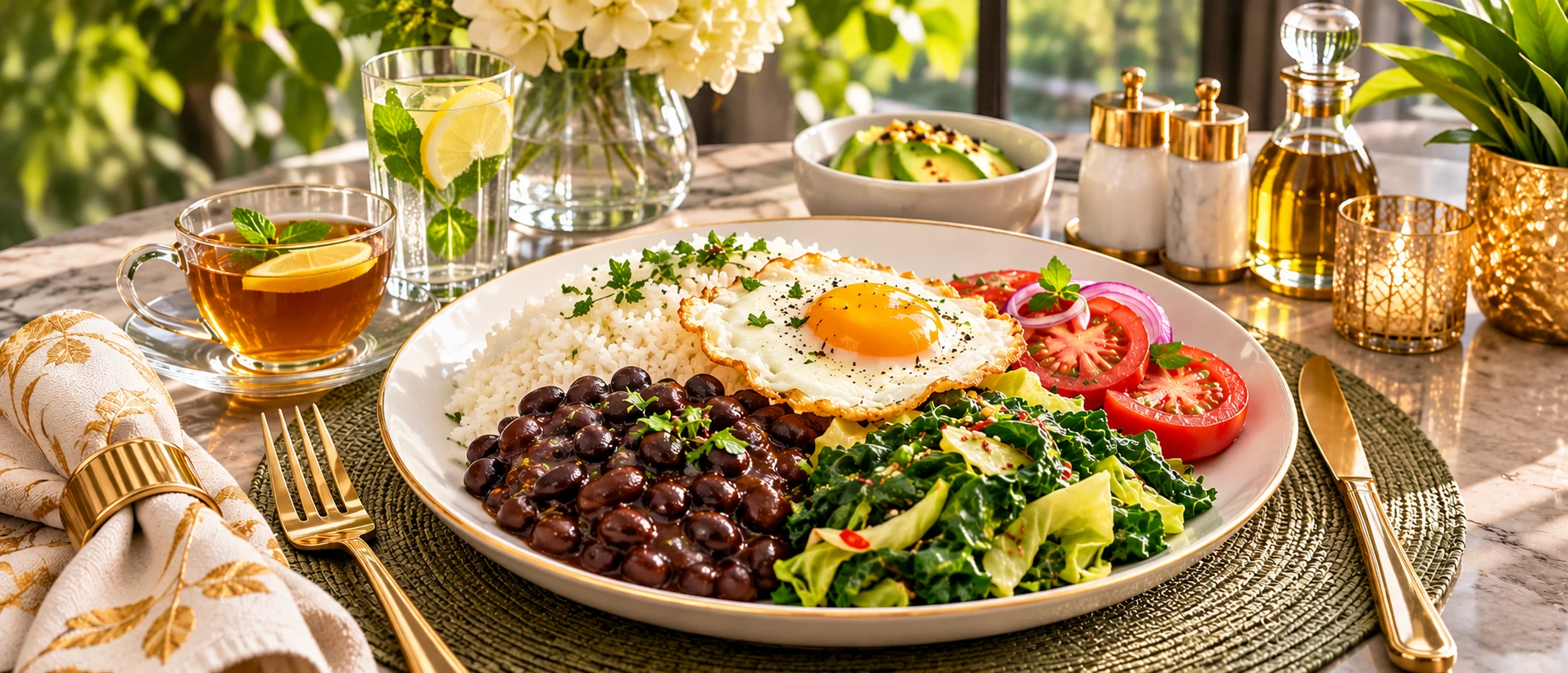
Consider preparing a meal containing:
- Cooked rice.
- Black beans, kidney beans or another preferred bean variety.
- Sautéed cabbage or leafy vegetables.
- Tomatoes or a simple vegetable salad.
- An optional egg, fish or another suitable accompaniment.
This is a flexible Brazil-inspired meal rather than a claim to reproduce one definitive traditional Brazilian recipe.
Adjust the ingredients according to your household’s preferences, food availability and nutritional requirements.
Practical Preparation Tips
If time is limited, canned beans can be a convenient alternative to cooking dried beans.
Drain and rinse them where appropriate, particularly when choosing products packed in salted liquid.
Frozen vegetables can also be useful when fresh produce is unavailable or expensive.
If you prefer brown rice, it generally provides more dietary fibre than white rice, although both can fit into a varied diet.
For lunches and leftovers, pay particular attention to safe rice preparation and storage.
Cool cooked rice quickly, refrigerate promptly and follow food-safety guidance for storage and reheating.
What Brazil’s Dietary Guidelines Teach Us
Brazil’s Ministry of Health published the second edition of its Dietary Guidelines for the Brazilian Population in 2014.
The guidelines encourage people to make natural or minimally processed foods the foundation of their diets, develop cooking skills and make time for preparing and enjoying meals.
An important feature of Brazil’s approach is its recognition that food involves more than individual nutrients.
Shopping, cooking, eating together and everyday food traditions are also considered.
For Dietremidies readers, these principles offer practical inspiration for preparing familiar meals using rice, beans, vegetables and other accessible ingredients.
The guidance does not require readers outside Brazil to adopt a Brazilian diet.
Instead, we can explore its broader principles and adapt suitable meal ideas to our own circumstances.
Explore the official guidance:
For a shorter explanation, see the Food and Agriculture Organization’s overview of Brazil’s dietary guidelines.
Everyday Food Inspiration From China
Grains, Vegetables And Protein-Containing Foods
Chinese food traditions include a wide variety of regional dishes, ingredients and cooking methods.
Rice, wheat-based foods, vegetables, tofu, eggs, fish and meat can feature in different combinations.
The Chinese Nutrition Society’s 2022 dietary guidelines encourage balanced variety, including vegetables, fruits, wholegrains, soybeans and other appropriate foods.
These recommendations provide a useful foundation for exploring adaptable everyday meals.
A China-Inspired Vegetable And Tofu Bowl
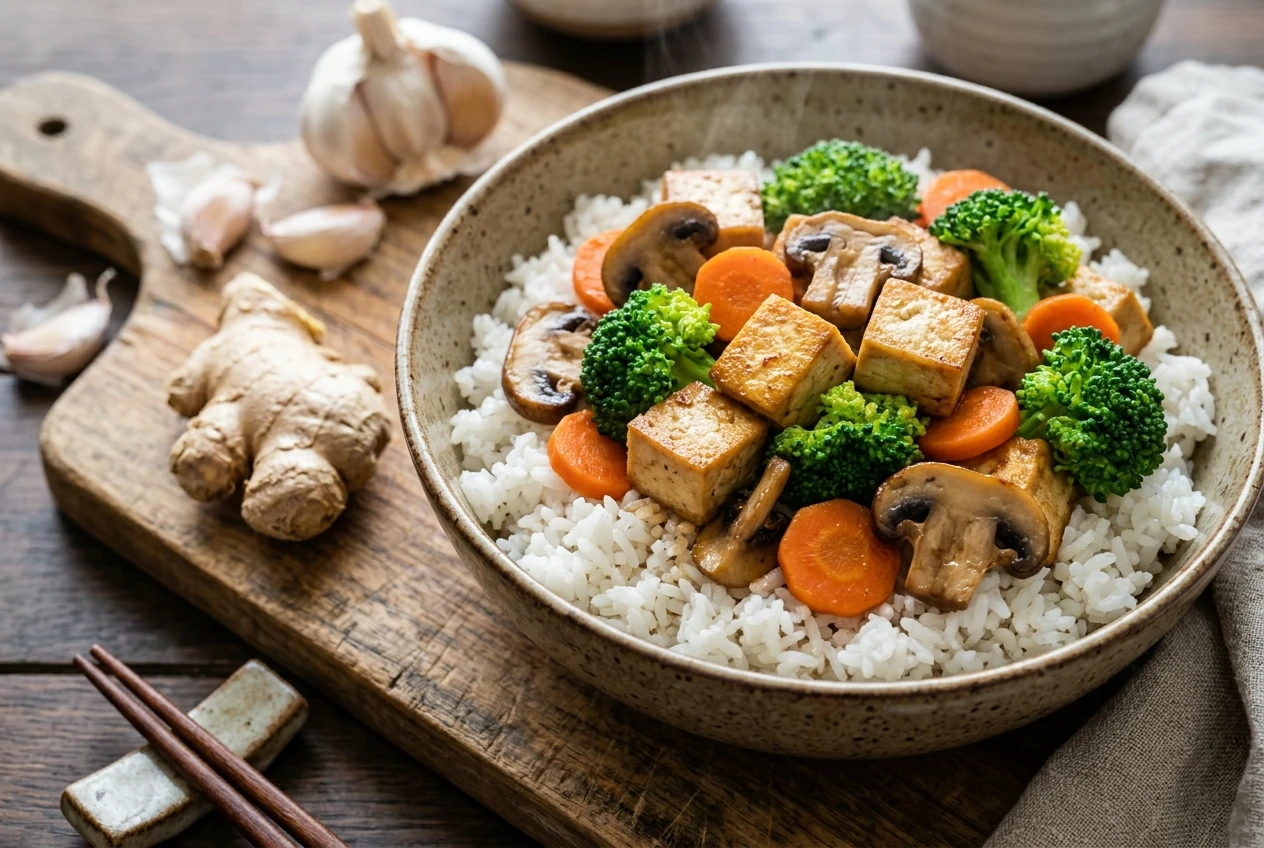
A practical meal could include:
- Cooked rice or another preferred grain.
- Firm tofu.
- Broccoli, carrots and mushrooms.
- Garlic and ginger.
- A suitable sauce or seasoning, used according to preference.
Prepare the rice, cook the vegetables and tofu appropriately, and combine the ingredients in a bowl.
This provides a flexible meal inspired by ingredients and cooking approaches found in Chinese food traditions.
It is not intended to represent an authentic recipe from a particular region of China.
Making Ingredient Substitutions
If tofu is unavailable or unsuitable, consider eggs, chicken or another suitable protein-containing ingredient.
If broccoli is expensive, try cabbage, green beans or seasonal vegetables.
If you prefer noodles rather than rice, they may provide another practical option.
When using soy sauce or prepared sauces, consider their salt content and adjust quantities as appropriate.
People with soy or wheat allergies should check ingredient labels carefully and choose safe alternatives.
What China’s Dietary Guidelines Teach Us
The Chinese Nutrition Society released the fifth edition of the Chinese Dietary Guidelines in 2022.
The guidelines encourage a varied, balanced diet and include recommendations concerning vegetables, fruit, dairy foods, wholegrains, soybeans and other protein-containing foods.
They also address practical habits such as reading food labels, making informed shopping decisions, cooking sensibly, maintaining food hygiene and reducing food waste.
For Dietremidies readers, these recommendations provide a useful foundation for exploring everyday meals containing vegetables, rice, tofu and other familiar ingredients.
A simple vegetable-and-tofu rice bowl, for example, can be adapted using seasonal produce and suitable alternatives.
This is a Dietremidies meal idea inspired by Chinese food traditions, rather than an official recipe recommended by the Chinese Nutrition Society.
Explore the official guidance:
Chinese Nutrition Society — Chinese Dietary Guidelines (2022)
For additional background, visit the Food and Agriculture Organization’s overview of China’s dietary guidelines.
What Brazil And China Can Teach Us About Everyday Meal Planning
Although Brazilian and Chinese food cultures are distinct, their dietary guidelines offer practical ideas relevant to everyday nutrition.
Make Familiar Ingredients Work Harder
Rice, beans, vegetables and protein-containing foods can be combined in different ways.
Preparing a few ingredients in advance may reduce the amount of cooking required on busy days.
Include Variety Throughout The Week
Balanced eating does not require a completely different meal every day.
Variety can come from changing vegetables, grains, legumes and protein sources across meals.
Adapt Meals To Different Preferences
One household member may prefer tofu, while another prefers eggs or chicken.
A flexible meal structure can accommodate different preferences without requiring completely separate menus.
Consider Food Costs
Frozen vegetables, canned beans, dried legumes and seasonal produce may provide affordable alternatives to more expensive ingredients.
Compare prices, preparation time and the amount of food your household will use.
Reduce Avoidable Food Waste
Plan meals around ingredients you already have.
Store prepared food safely, use suitable leftovers within recommended periods and avoid preparing unnecessarily large quantities.
Four Practical International Meal Ideas
1. Brazil-Inspired Rice, Beans And Vegetables
Prepare cooked rice with seasoned beans and a mixture of vegetables.
Add a suitable accompaniment according to individual preferences.
This combination can work for lunch or dinner.
2. China-Inspired Tofu And Vegetable Rice Bowl
Combine cooked rice, tofu and colourful vegetables.
Use garlic, ginger and suitable seasoning for flavour.
Substitute another protein-containing food when appropriate.
3. Brazil-Inspired Bean And Vegetable Lunch Box
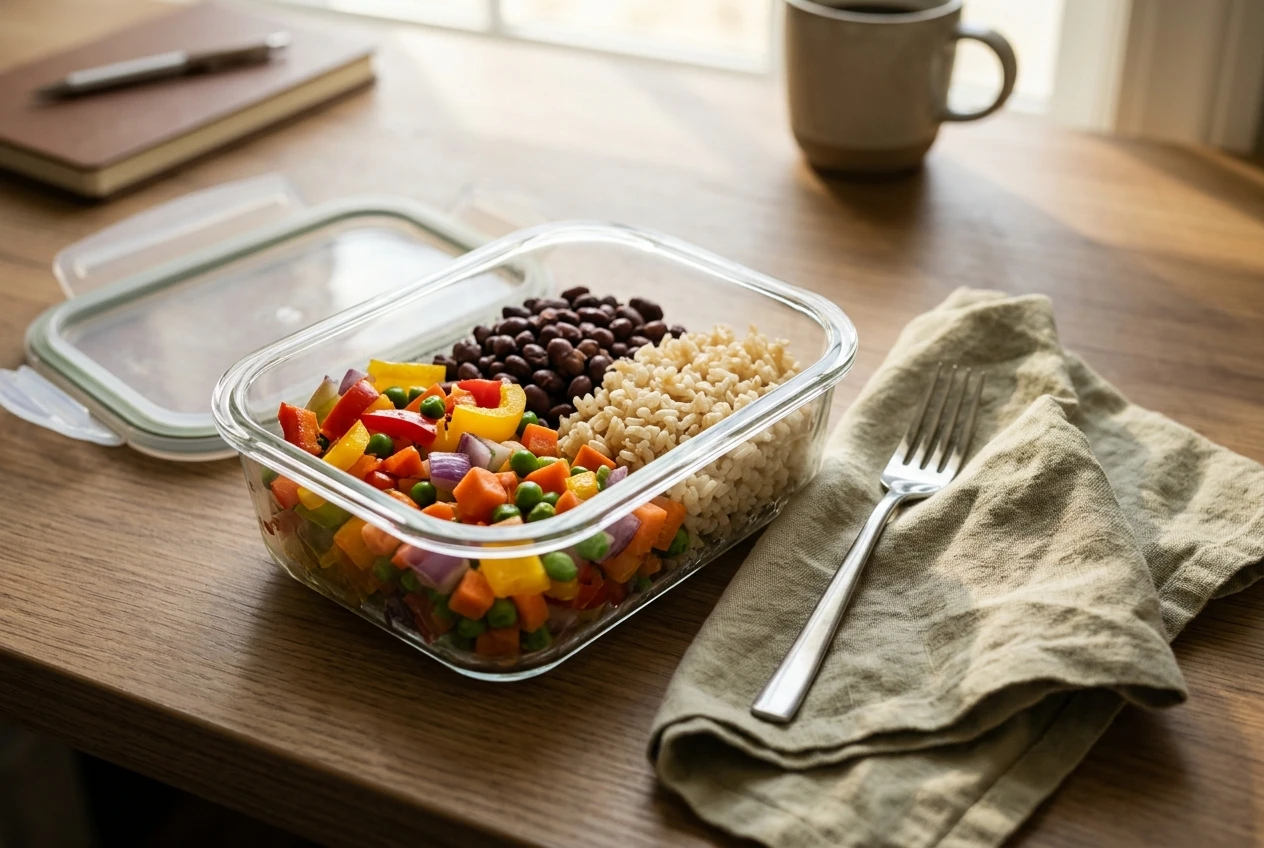
Combine cooked beans with vegetables and a grain of your choice.
Pack in a suitable container and keep chilled where required.
This can be adapted for lunches at home or work.
4. China-Inspired Vegetable Noodle Meal
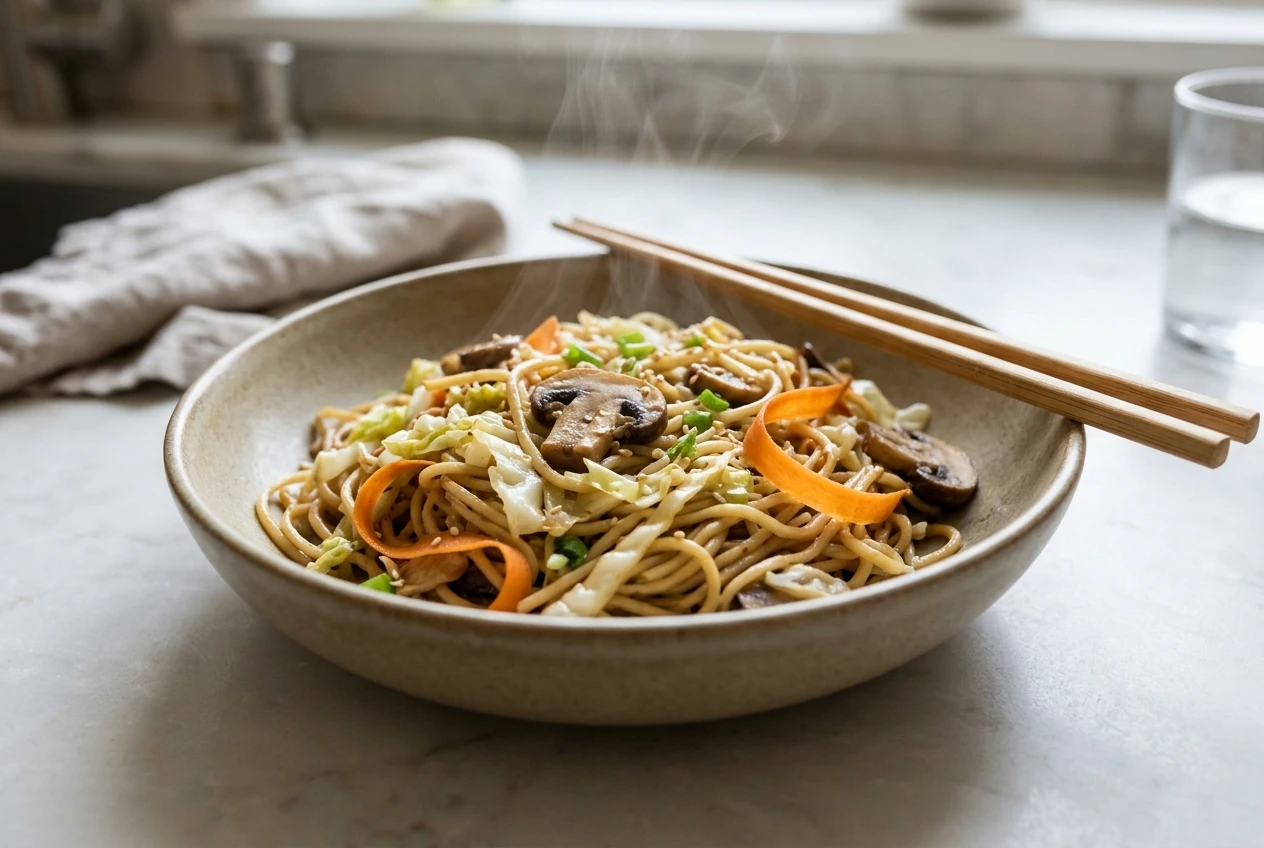
Prepare noodles with mushrooms, cabbage, carrots and a suitable protein source.
Adjust the vegetables according to availability.
Check noodle and sauce ingredients when accommodating allergies or dietary restrictions.
These examples are Dietremidies meal-planning adaptations. They should not be presented as official national recipes or as representative of every household in Brazil or China.
Everyday Nutrition And Women’s Wellbeing
Women’s nutritional needs can change throughout adulthood, particularly during midlife.
Some women may be approaching or experiencing perimenopause or menopause, while others may have different health circumstances and priorities.
However, nutritional requirements vary, and no single meal pattern is suitable for everyone.
Fibre And Dietary Variety
Beans, vegetables and wholegrains contribute dietary fibre.
Fibre is an important part of a balanced diet and supports normal digestive function.
If you are increasing your fibre intake, introducing additional fibre gradually may help you adjust more comfortably.
Adequate fluid intake is also important.
Individual tolerance varies, particularly for people who experience digestive symptoms.
Protein-Containing Foods
Beans, tofu, eggs, fish, poultry and other foods can contribute protein.
Including a variety of suitable protein sources can help meet everyday nutritional requirements.
Individual needs depend on factors such as activity, body size and health circumstances.
Calcium And Other Nutrients
Calcium remains an important nutritional consideration throughout adulthood.
Milk, suitable fortified alternatives and other calcium-containing foods can contribute to overall intake.
A meal inspired by another country does not automatically provide every nutrient a person needs.
Consider the balance of foods eaten across the day and week.
Digestive Comfort
Some people enjoy beans and legumes regularly, while others notice bloating or discomfort when eating larger portions.
Portion size, preparation and individual tolerance can influence digestive comfort.
There is no need to force yourself to eat a particular ingredient simply because it is nutritious.
Persistent or troublesome digestive symptoms should be discussed with an appropriately qualified healthcare professional.
Meal Planning That Respects Your Time
Preparing meals should not automatically become one person’s responsibility.
Shopping, cooking and preparation tasks can be shared where household circumstances allow.
Simple meals, suitable leftovers and flexible ingredient combinations may help make food preparation more manageable.
A Simple Three-Day Meal-Planning Example
This example illustrates how international food inspiration could fit into an ordinary week.
It is not a complete three-day dietary plan.
Day One — Brazil-Inspired Lunch
Prepare rice, beans and vegetables with a suitable additional food according to preference.
If appropriate, prepare extra beans for another meal and store them safely.
Day Two — China-Inspired Dinner
Make a vegetable and tofu rice bowl using garlic, ginger and seasonal vegetables.
Frozen vegetables can be used if preferred.
Day Three — Flexible Family Meal
Use suitable ingredients already available at home to prepare a grain-and-vegetable meal with an appropriate protein source.
Only use leftovers that have been cooled, stored and handled safely.
Other meals, snacks and drinks should be chosen according to individual nutritional requirements and preferences.
Common Myths About International Nutrition
Myth: Traditional Meals Are Automatically Healthier
Traditional status does not guarantee that a meal meets everyone’s nutritional needs.
Ingredients, preparation methods, portions and overall dietary patterns all matter.
Myth: You Need Expensive Specialist Ingredients
Many international meal ideas can be adapted using familiar supermarket ingredients.
However, adaptations should be identified clearly rather than presented as authentic traditional recipes.
Myth: One Country Has The Best Diet For Everyone
No single national cuisine automatically meets every person’s needs.
Cultural preferences, allergies, budgets, nutritional requirements and individual circumstances all influence food choices.
Myth: Foods From Other Cultures Can Cure Digestive Problems
Dietremidies does not make such claims.
We can discuss traditional food practices and established nutritional characteristics without presenting foods as medical treatments.
Five Common Questions About International Meals And Everyday Nutrition
1. Can Brazilian- And Chinese-Inspired Meals Fit Into An Everyday Family Meal Plan?
Yes. Meals inspired by these food traditions can use familiar ingredients such as rice, beans, vegetables, tofu and eggs.
You can adapt the combinations to suit household preferences, food allergies, nutritional requirements and available cooking time.
A useful starting point is to choose one familiar ingredient and combine it with vegetables and a suitable protein source.
You do not need to change your entire weekly menu.
2. Do I Need To Buy Expensive International Ingredients?
Not necessarily.
Many meals can be adapted using affordable, locally available ingredients.
Frozen vegetables, canned beans and ordinary grains can be practical options.
Specialist ingredients may help recreate particular recipes more closely, but they are not essential for every internationally inspired meal.
If you make substitutions, recognise that the finished dish may differ from its traditional inspiration.
3. Are Beans And Tofu Useful Protein Sources?
Yes. Beans and tofu both provide plant protein.
They also differ in their nutritional composition.
Beans can contribute dietary fibre, while tofu may provide different amounts of protein, fat and calcium depending on how it is made.
It is helpful to consider the variety and quantity of protein-containing foods eaten throughout the day.
People with soy allergies should avoid tofu and other unsuitable soy products.
4. How Can I Include More Fibre Without Making My Meals Complicated?
Start with familiar foods.
You might add beans to a rice-and-vegetable meal, choose a higher-fibre grain where suitable or include another serving of vegetables.
Increase fibre gradually and drink adequate fluids.
Individual digestive tolerance varies.
If you have a diagnosed digestive condition or persistent symptoms, seek advice from an appropriately qualified healthcare professional.
5. How Can I Adapt International Meal Ideas For Different Family Members?
Begin with a flexible meal structure rather than preparing completely separate dishes.
For example, cook one batch of rice and vegetables, then offer different suitable protein-containing foods according to household preferences.
Consider allergies, dietary requirements, portion sizes and food safety.
For younger children, ensure textures and ingredients are age-appropriate and avoid choking hazards.
The examples in this article are general meal inspiration rather than personalised nutrition or child-feeding guidance.
Looking Ahead
Exploring international food cultures can make everyday meal planning more interesting without making nutrition unnecessarily complicated.
Brazil and China offer different examples of how familiar ingredients can be combined and how national dietary guidance approaches food variety and preparation.
In our next international article, we’ll explore fermented foods from Japan and South Korea.
We’ll consider their cultural significance, culinary uses, established nutritional characteristics and practical ways they may fit into everyday meals.
As always, we’ll distinguish food traditions and nutritional education from unsupported medical claims.
Continue Your Wellness Journey
If you enjoyed exploring these international meal ideas, you may also find the following Dietremidies articles helpful.
Smart Afternoon Snacks For Steadier Everyday Energy
Explore practical snack combinations for busy afternoons.
How Balanced Breakfasts Support Everyday Energy
Discover familiar breakfast combinations and everyday nutritional considerations.
Understanding The Role Of Protein In Everyday Energy And Wellbeing
Learn about protein-containing foods and their place in balanced eating.
Fibre-Rich Foods That Support Gut Health And Everyday Nutrition
Explore fibre-containing foods and practical ways to include them in meals.
Simple Lunch Ideas For Busy Days And Balanced Nutrition
Find manageable lunch ideas that fit everyday routines.
Hydration Habits That Support Everyday Wellbeing
Explore simple approaches to everyday hydration.
A Gentle Reminder
You don’t need to recreate another country’s diet perfectly to enjoy international food inspiration.
Start with one manageable meal idea.
Choose ingredients that are available, affordable and suitable for your circumstances.
Respect the food traditions that inspire your meals while recognising that your own nutritional needs and preferences matter too.
Balanced eating can take many forms.
The goal is not to follow a perfect menu but to make informed choices that fit your everyday life.
Further Reading
The following authoritative resources provide additional information about the dietary guidance discussed in this article.
1. Brazilian Ministry Of Health — Dietary Guidelines For The Brazilian Population
Read the official English-language guidelines (PDF)
The second edition was originally published in 2014, with subsequent reprints. It explores food selection, cooking, meal preparation, food processing and the social context of eating.
2. Food And Agriculture Organization — Brazil’s Food-Based Dietary Guidelines
An accessible English-language explanation of Brazil’s national dietary recommendations, their development and their emphasis on everyday eating habits.
3. Chinese Nutrition Society — Chinese Dietary Guidelines (2022)
Read the official English-language guidance
The fifth edition explains recommendations for dietary variety, vegetables, wholegrains, soybeans, practical cooking and food waste reduction.
4. Food And Agriculture Organization — China’s Food-Based Dietary Guidelines
Provides background on China’s 2022 dietary guidelines, including their development, recommendations and intended audiences.
5. World Health Organization — Healthy Diet
Read the WHO healthy diet guidance
Explains established principles of balanced nutrition, including adequacy, balance, moderation and diversity.
These resources are provided for general educational purposes.
National dietary guidelines reflect the circumstances and needs of their populations and should not be interpreted as personalised dietary advice.
Health Disclaimer
This article is intended for general nutrition education and cultural food inspiration.
It does not provide medical diagnosis, treatment or personalised dietary advice.
Dietremidies does not claim that foods or traditional eating practices from Brazil, China or any other country prevent, treat or cure medical conditions.
Individual nutritional needs vary according to health circumstances, age, activity, allergies and other factors.
If you have persistent digestive symptoms, a diagnosed medical condition or specific dietary requirements, consult an appropriately qualified healthcare professional or registered dietitian.
Affiliate Disclosure
Some Dietremidies content may contain affiliate links.
Where affiliate links are used, Dietremidies may earn a commission from qualifying purchases at no additional cost to the reader.